
From Crumbling to Cured: Understanding Basement Foundation Repair
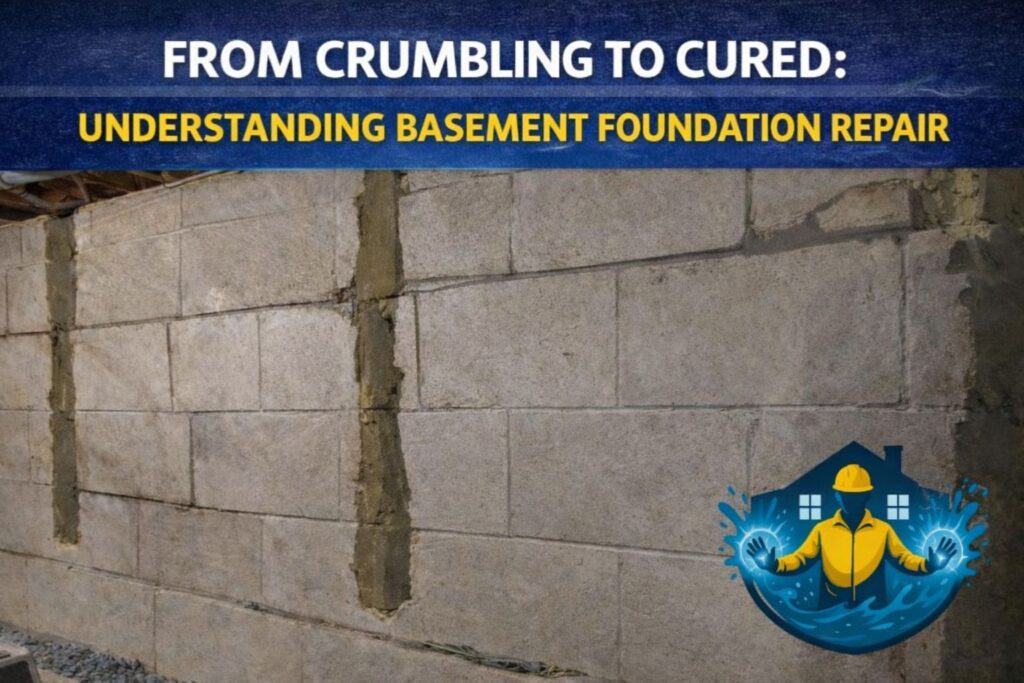
Introduction to Foundation Health
Basement foundation repair addresses structural damage caused by soil movement, water intrusion, or settling. The process can involve stabilizing walls with carbon fiber, sealing cracks with epoxy, installing drainage systems, or using piers to lift the foundation. Most repairs require professional help and can take from one day to two weeks, depending on the severity.
Top reasons homeowners need basement foundation repair:
- Horizontal or stair-step cracks in foundation walls
- Bowing or leaning walls from soil and water pressure
- Sticking doors and windows that signal foundation movement
- Uneven or sloping floors from foundation settlement
- Water seepage through cracks, which damages structural integrity
Foundation problems worsen over time, becoming more expensive to fix. A hairline crack can become a bowing wall, and occasional dampness can turn into chronic flooding. The good news is that modern repair methods are effective, and catching issues early makes repairs faster and more affordable.
Your foundation supports your entire home. When it fails, walls crack, doors jam, floors slope, and water gets inside, leading to mold and a significant drop in your home’s value.
I’m Nelson Manso, and for 29 years, I’ve been repairing basement foundations and waterproofing systems in Monmouth County, New Jersey. I’ve seen every type of foundation failure and have helped hundreds of homeowners in Freehold understand what’s happening beneath their homes and how to fix it permanently.
The Complete Guide to Basement Foundation Repair
Why Foundations Fail: Common Causes and Critical Warning Signs
Understanding why your foundation is struggling is the first step. In Monmouth County, environmental factors and construction realities put stress on your home’s foundation.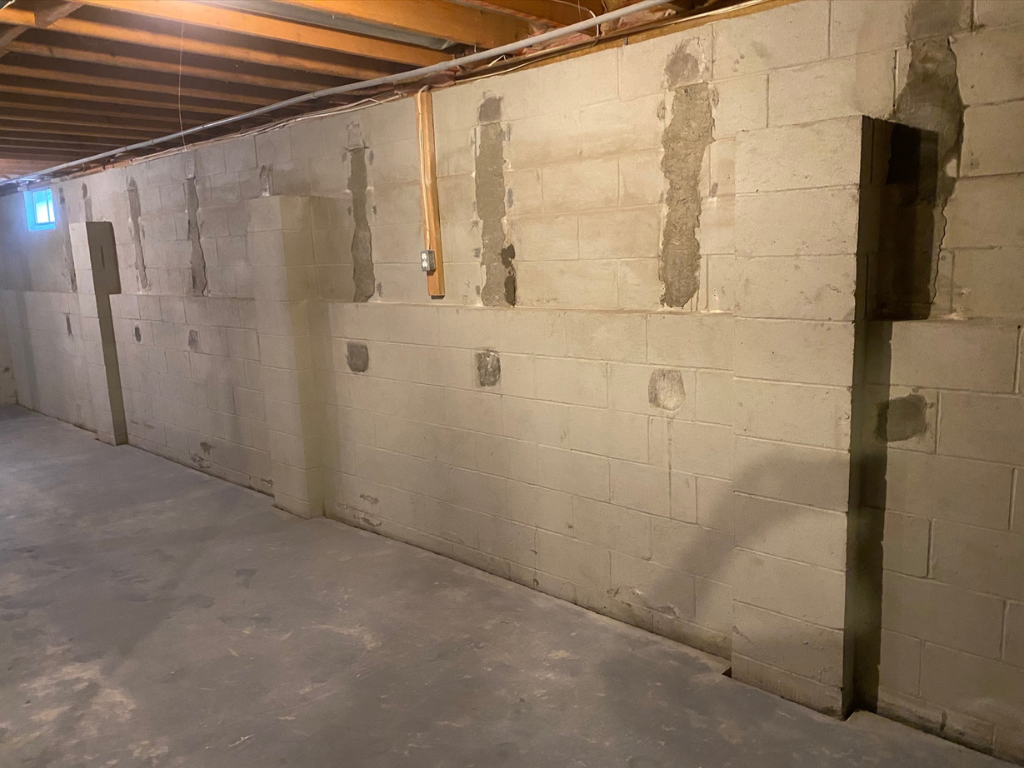
Common culprits include soil conditions, as expansive clay soils swell and shrink with moisture, and hydrostatic pressure, the force of groundwater pushing against basement walls. Poor drainage from clogged gutters or improper yard grading exacerbates these issues by allowing water to pool around the foundation. Additionally, growing tree roots can exert pressure, while poor construction and the natural aging of materials can weaken a foundation over time.
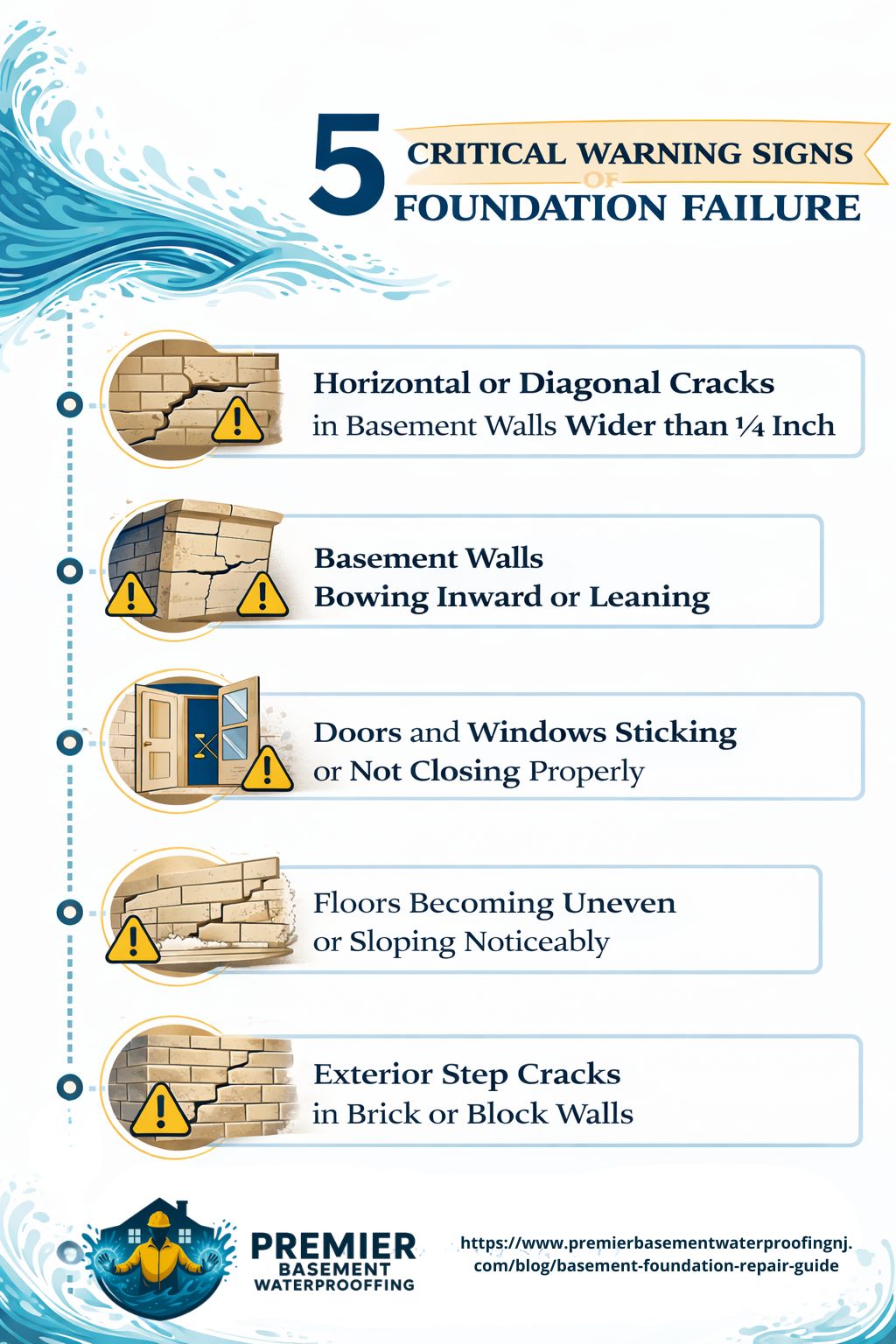
How do you know if your foundation is in trouble? Watch for these critical warning signs:
- Bowing or Leaning Walls: A classic sign of hydrostatic pressure that needs immediate attention.
- Sticking Doors and Windows: Often indicates your home’s frame is shifting due to foundation movement.
- Uneven or Sloping Floors: Suggests parts of your foundation are settling unevenly.
- Cracks: While small vertical hairline cracks can be normal, be concerned about:
- Horizontal cracks: Almost always indicate serious structural damage from pressure.
- Stair-step cracks: Appear in block foundations and signal differential settlement.
- Diagonal cracks: Often point to uneven settling.
- Water Leakage: Any water in your basement means the foundation is compromised. This often comes with musty odors, indicating potential mold.
- Exterior Signs: Look for gaps between the soil and foundation, cracks in exterior brick, or a tilting chimney.
If you see these signs, don’t delay. Foundation problems only get worse. For more information on identifying these issues, visit our page on Foundation Repair.
An In-Depth Look at Basement Foundation Repair Methods
Once we identify the problem, we select the most effective repair method for your home. There is no one-size-fits-all solution.
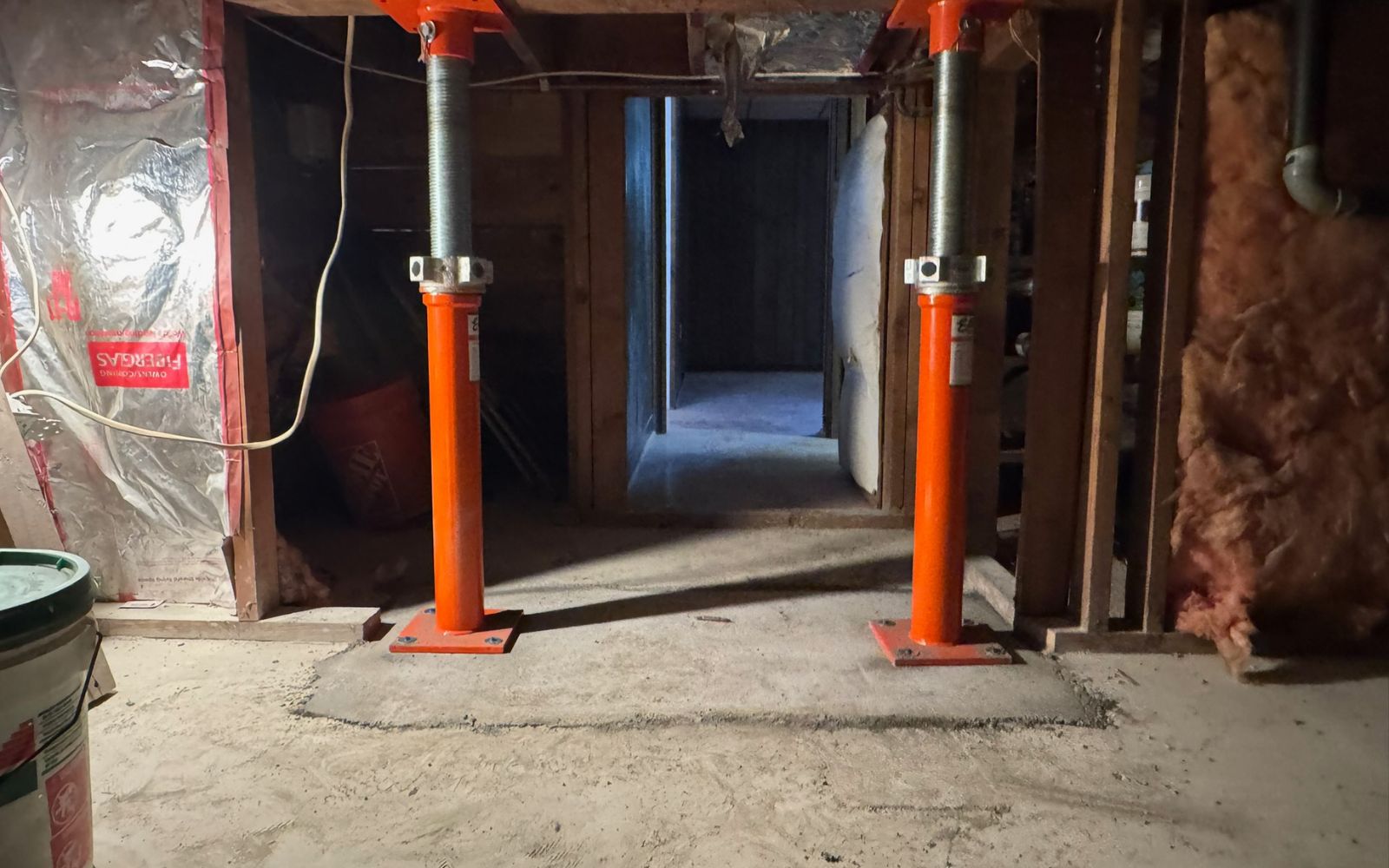
Here are some of the most common basement foundation repair methods:
- Underpinning and Piering: Used for settling foundations, this extends the foundation to more stable soil.
- Push Piers (Hydraulic Piers): Steel piers are driven deep into the ground using your home’s weight.
- Helical Piers: Screw-like piers are twisted into the ground to reach stable soil, ideal for lifting and stabilizing residential foundations.
Here’s a quick comparison:
Feature Hydraulic (Push) Piers Helical Piers Installation Smooth pillars driven by hydraulic pump, uses home’s weight Hollow, threaded pillars screwed into the ground Soil Disruption Can be more disruptive Minimal soil disruption Typical Use Often for industrial buildings, heavier structures Commonly for residential homes, lighter structures, or new construction Mechanism Relies on resistance of underlying soil Relies on torque and plate design to bear load - Wall Anchors and Braces: These support bowing or leaning walls.
- Wall Anchors: An interior plate is connected to an exterior anchor in stable soil, pulling the wall back over time.
- Foundation Wall Braces (I-Beams): Steel beams are installed against the bowing wall to prevent further movement.
- Carbon Fiber Reinforcement: This modern method uses incredibly strong carbon fiber straps bonded to the wall with epoxy. It’s a minimally invasive, durable, and corrosion-resistant solution for bowing or cracked walls. Carbon fiber provides powerful reinforcement to prevent further movement without major excavation.
- Crack Injection/Sealing: For non-structural cracks, epoxy or polyurethane injections bond the concrete and prevent water intrusion.
- Mud-Jacking (Slab-Jacking): This method lifts and levels sinking concrete slabs (not foundation walls) by injecting material beneath them.
Choosing the right method requires an expert assessment to align the repair with your home’s specific problem and soil conditions.
Keeping Water Out: Waterproofing vs. Dampproofing
“Waterproofing” and “dampproofing” are often confused, but they offer different levels of protection.
Dampproofing is a moisture-resistant coating applied during construction. It resists dampness from soil but cannot stop liquid water under pressure.
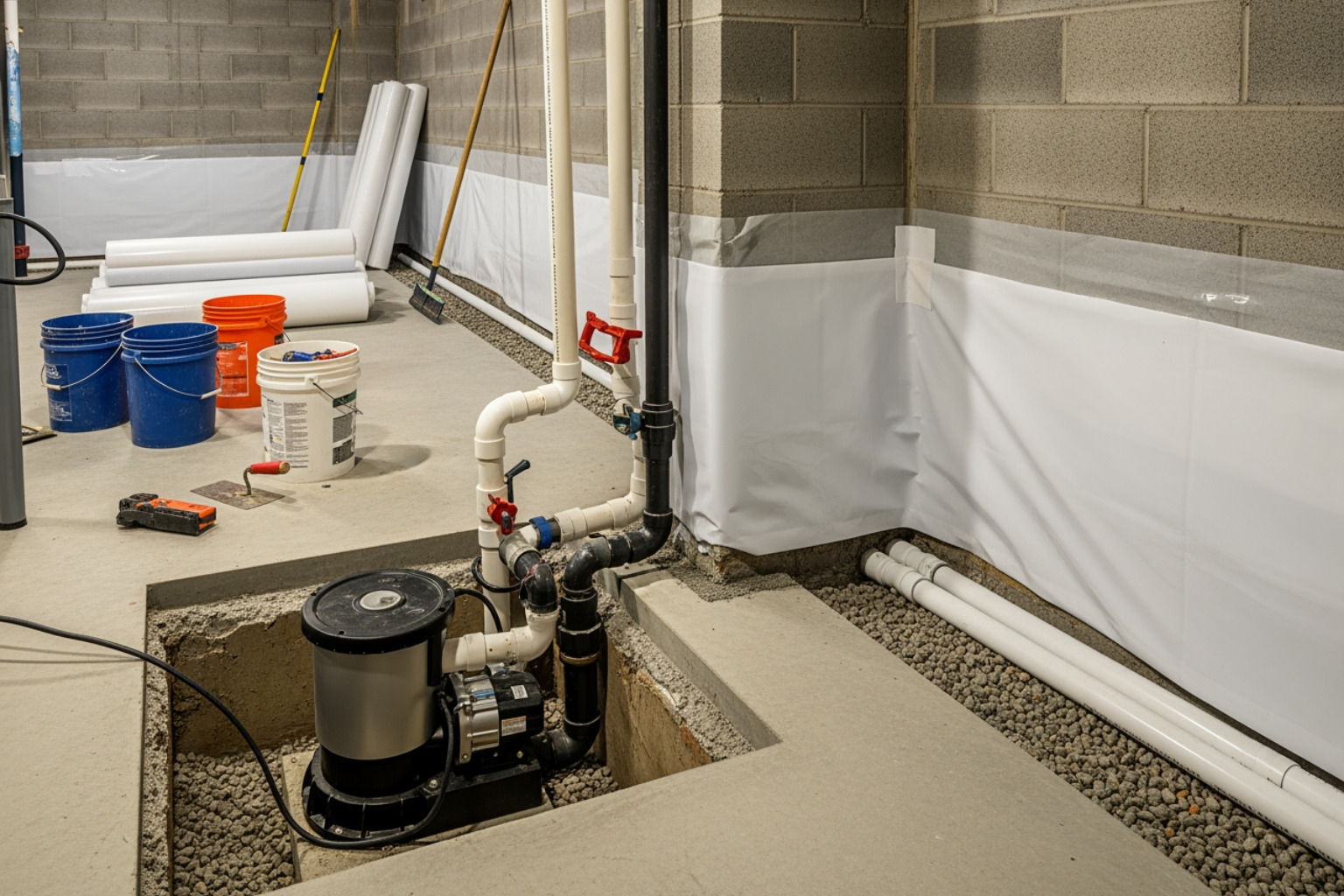
Waterproofing is a comprehensive approach to prevent all water intrusion, including water under hydrostatic pressure. It actively manages water to keep your basement dry. You can learn more from sources like Basic Waterproofing for Basements.
Let’s compare the two main strategies: interior and exterior waterproofing.
Interior Waterproofing Methods:
- Pros: Less invasive (no major excavation), effective against hydrostatic pressure, faster installation, and easier to maintain.
- Cons: Manages water after it enters the wall, requires some interior disruption to install, and systems take up some perimeter space.
- Explore solutions on our Interior Waterproofing Systems page.
Exterior Waterproofing Methods:
- Pros: Stops water before it ever reaches the foundation, creating a true dry barrier with no interior disruption.
- Cons: Highly invasive and costly due to excavation, disrupts landscaping, takes longer to install, and exterior drains can clog over time.
For many homeowners in Monmouth County, an interior system or a combination of strategies provides the most practical and effective solution for existing homes.
Making Smart Decisions: Costs, Timelines, and Finding Help
Breaking Down the Costs of Basement Foundation Repair
One of the first questions homeowners ask is, “How much will this cost?” While an exact figure requires a professional assessment, estimated costs for foundation repair can range from $2,250 to $8,600, with a national average around $5,400, according to Forbes Home Improvement.
Here’s what influences the cost of a basement foundation repair:
- Severity of Damage: A simple crack injection is far less expensive than reinforcing a bowing wall or lifting a settled foundation with piers.
- Repair Method Chosen: Costs vary significantly between methods like crack sealing, carbon fiber reinforcement, and underpinning.
- Home Size and Accessibility: Larger foundations require more materials and labor. Difficult access can also increase labor costs.
- Soil Stability: Unstable soils may require more robust and costly solutions to ensure a long-term fix.
- Labor, Permits, and Materials: Costs include skilled labor, local building permits, and high-quality materials like steel and carbon fiber.
To save money on these essential repairs:
- Fix the Root Cause: Address underlying issues like poor drainage to prevent future repairs.
- Get Multiple Quotes: Compare detailed estimates from several reputable companies.
- Ask About Alternatives: A good contractor will explain all your options, including more budget-friendly ones.
- Get a Warranty: A strong, transferable warranty protects your investment and can save you from future expenses.
Investing in basement foundation repair protects your home’s value and safety, preventing more costly issues later.
Project Timelines and Key Considerations
Understanding the project timeline is as important as the cost.
How long does a typical foundation repair project take?
Timelines vary by complexity. Minor crack injections can take a day, while installing drainage systems or wall anchors often takes one to five days. Major structural repairs requiring excavation may take a week or more.
When is it advisable to hire a professional versus attempting a DIY fix?
My advice is to hire a professional for any structural issue. While you might seal a tiny hairline crack yourself, a professional is essential for:
- Accurate Diagnosis: Identifying the root cause of the problem, not just the symptom.
- Long-Lasting Solutions: Using specialized tools and materials for a durable, warrantied repair.
- Safety Assurance: Handling structural work safely to protect your home.
- Protecting Home Value: A professional repair with a warranty maintains or restores your home’s value.
What is the role of soil conditions in foundation stability and repair?
Soil behavior directly impacts your foundation. Expansive clay soils or poor compaction can cause settling, cracks, and bowing. Understanding local soil is critical for choosing the right repair method and ensuring its long-term success.
How do foundation problems affect a home’s value and safety?
Foundation issues significantly devalue a home and can make it difficult to sell. More importantly, they can create safety hazards, from structural instability to mold growth from water intrusion, which affects indoor air quality.
What are the benefits of a transferable warranty for foundation repair services?
A transferable warranty provides peace of mind by guaranteeing the repair work. It’s also a huge selling point when you sell your home, giving buyers confidence that the issue was professionally resolved.
Visit our FAQs page for more common questions and answers.
Your Path to a Secure Foundation
This guide highlights that foundation issues are serious structural challenges affecting your home’s safety, stability, and value. Prompt basement foundation repair is essential to prevent minor problems from becoming costly catastrophes.
For homeowners in Monmouth County, New Jersey, I am committed to providing honest, transparent solutions. My approach focuses on educating you, offering custom services, and delivering fair pricing.
Your home deserves a solid foundation. If you suspect any problems or want a professional assessment, don’t hesitate to reach out.
Ready to protect your home’s most critical asset?
Contact us for drainage solutions today to schedule a free, no-obligation evaluation.
