
Mold, Moisture, and Mayhem: The Ultimate Guide to Crawl Space Solutions
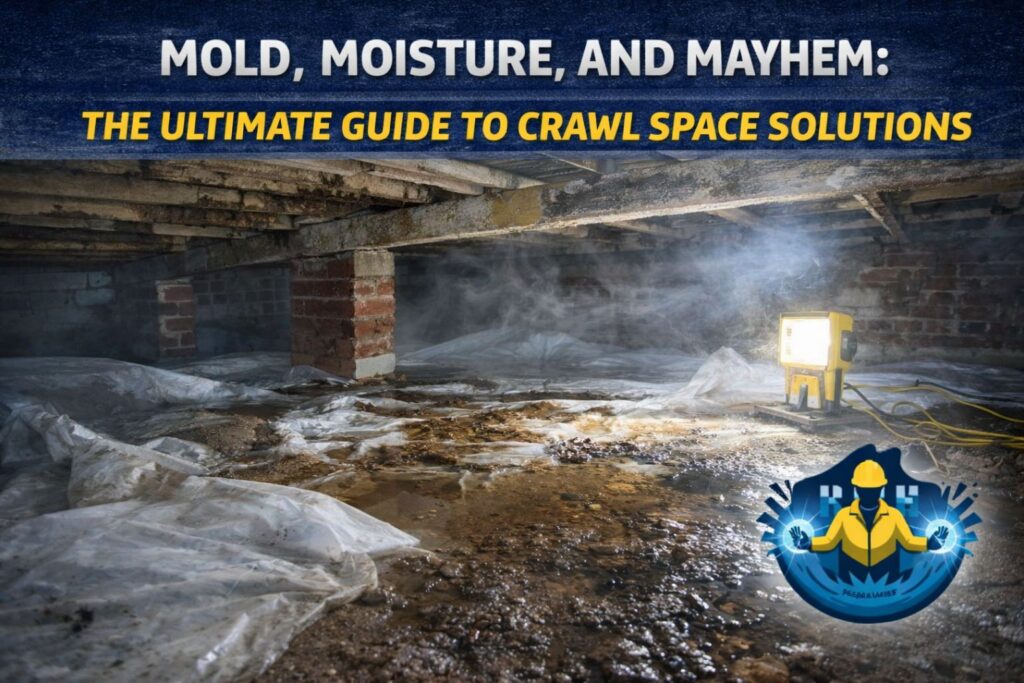
Why Your Crawl Space is a Ticking Time Bomb
Wet crawl space solutions include encapsulation with vapor barriers, interior drainage with sump pumps, professional dehumidifiers, sealing cracks, improving exterior drainage, and fixing plumbing leaks. The most effective approach combines several methods to eliminate moisture at its source.
Quick Solutions Overview:
| Problem Level | Primary Solutions | When to Use |
|---|---|---|
| Minor moisture | Improve grading, clean gutters, seal small cracks | DIY fixes for early-stage issues |
| Moderate dampness | Vapor barrier installation, dehumidifier | Persistent humidity without standing water |
| Severe water intrusion | Full encapsulation, sump pump, interior drainage | Standing water, structural concerns, or failed DIY attempts |
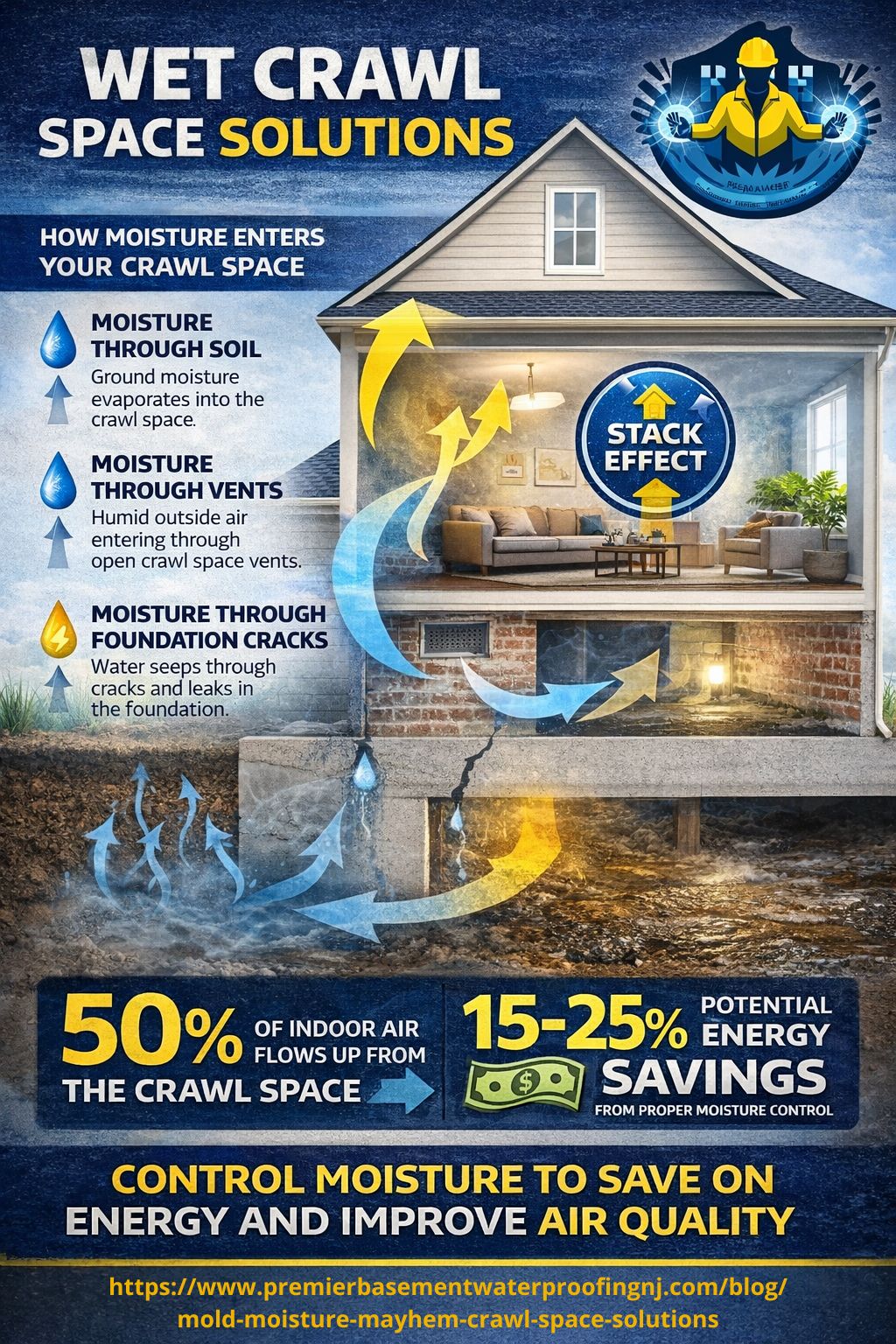
Finding standing water in your crawl space, a musty smell in your living room, or buckling hardwood floors are all signs of a serious problem. Here’s what most homeowners don’t realize: as much as 50% of the air in your home comes from your crawl space. That means whatever’s happening down there—moisture, mold spores, musty odors—is circulating through your entire house. It’s called the stack effect, and it’s why a wet crawl space is a problem for your health, your wallet, and your home’s structural integrity.
Moisture creates the perfect environment for mold and mildew growth, attracts pests like termites and rodents, causes wood rot in your floor joists, and makes your HVAC system work overtime. Studies show that getting rid of crawl space humidity can save you 15-25% on your heating and cooling costs.
I’m Nelson Manso, and over my 29 years specializing in basement waterproofing and foundation repair in Monmouth County, I’ve helped hundreds of Freehold homeowners tackle wet crawl space solutions that actually work. In this guide, I’ll walk you through the causes, warning signs, and which solutions will protect your home for the long haul.
Uncovering the Culprits: Common Causes of Crawl Space Water
Understanding the common culprits is the first step toward finding effective wet crawl space solutions.
One of the most frequent issues is groundwater seepage. After heavy rains, saturated soil creates hydrostatic pressure, forcing water through weaknesses in your foundation. This is a common issue for homes in New Jersey.
Poor exterior drainage is another major contributor. If your yard isn’t properly graded, rainwater can pool around your foundation. Similarly, clogged gutters or downspouts too close to the foundation will dump hundreds of gallons of water right where you don’t want it.
Even minor foundation cracks can become direct pathways for water intrusion. If you suspect foundation issues, you can find more info about foundation repair on our site.
Sometimes, the problem is internal. Plumbing leaks from a dripping or burst pipe can introduce a significant amount of water directly into your crawl space, often going unnoticed.
Finally, high humidity and open crawl space vents are related culprits. Based on outdated building science, these vents were intended to dry out the space. However, they allow hot, humid air to enter the cooler crawl space, causing condensation and raising humidity to levels that support mold growth (over 70%). These open vents also act as an invitation for pests.
Red Flags: Recognizing the Signs of a Moisture Problem
Your home often gives off clues when there’s a moisture problem brewing. These red flags indicate you need to consider wet crawl space solutions.
- Musty odors: A distinct, damp smell indicates mold or mildew. Thanks to the stack effect, this odor will spread throughout your home.
- Visible mold or mildew: Seeing mold on walls, joists, or insulation is a clear sign that humidity levels are too high.
- Standing water: Puddles or flooding on the crawl space floor are critical issues that need immediate attention.
- Damp or wet insulation: Saturated insulation is ineffective and a sign of a persistent moisture problem.
- Wood rot on joists: Moisture causes wood to decay, which can weaken your home’s structural supports.
- Efflorescence on walls: This white, powdery substance on foundation walls indicates water is seeping through the concrete and evaporating.
- Pest and insect activity: Termites, spiders, and rodents are attracted to damp environments.
- In-home signs: Buckling hardwood floors, peeling exterior paint near the foundation, and high indoor humidity can all be traced back to a damp crawl space.
Ignoring these signs can lead to severe structural damage, poor indoor air quality, and higher energy bills. Addressing these issues promptly is far less costly than waiting for extensive damage.
A Homeowner’s Guide to Wet Crawl Space Solutions
Solving a wet crawl space problem requires a combination of strategies to create a dry, healthy environment. The goal is to prevent water entry and manage any moisture that gets in. Scientific research on closed crawlspaces confirms they are superior for moisture control and energy efficiency compared to traditional vented spaces.
DIY First Steps for Minor Moisture Issues
For minor dampness, some DIY steps can make a big difference and help you assess the problem. These aren’t permanent wet crawl space solutions for severe issues, but they are a good starting point.
Here’s a list of DIY crawl space checks and simple fixes:
- Gutter and downspout maintenance: Clean your gutters and extend downspouts at least 10 feet from the foundation to direct rainwater away.
- Improving landscape grading: Regrade the soil around your foundation to slope away from the house, preventing water from pooling. You can find more info about drainage solutions on our website.
- Sealing small, visible cracks: Seal small foundation cracks with a waterproof masonry sealer or hydraulic cement.
- Checking for obvious plumbing drips: Check for plumbing leaks in the crawl space and repair any drips promptly.
- Ensuring vent covers are secure: Ensure any existing vent covers are in good repair to keep pests out.
If you’re dealing with persistent dampness or standing water, it’s time to consider more robust, professional wet crawl space solutions.
Comprehensive Wet Crawl Space Solutions for Lasting Protection
When DIY fixes aren’t enough, you need professional-grade wet crawl space solutions that tackle moisture from every angle, ensuring lasting protection for your home.
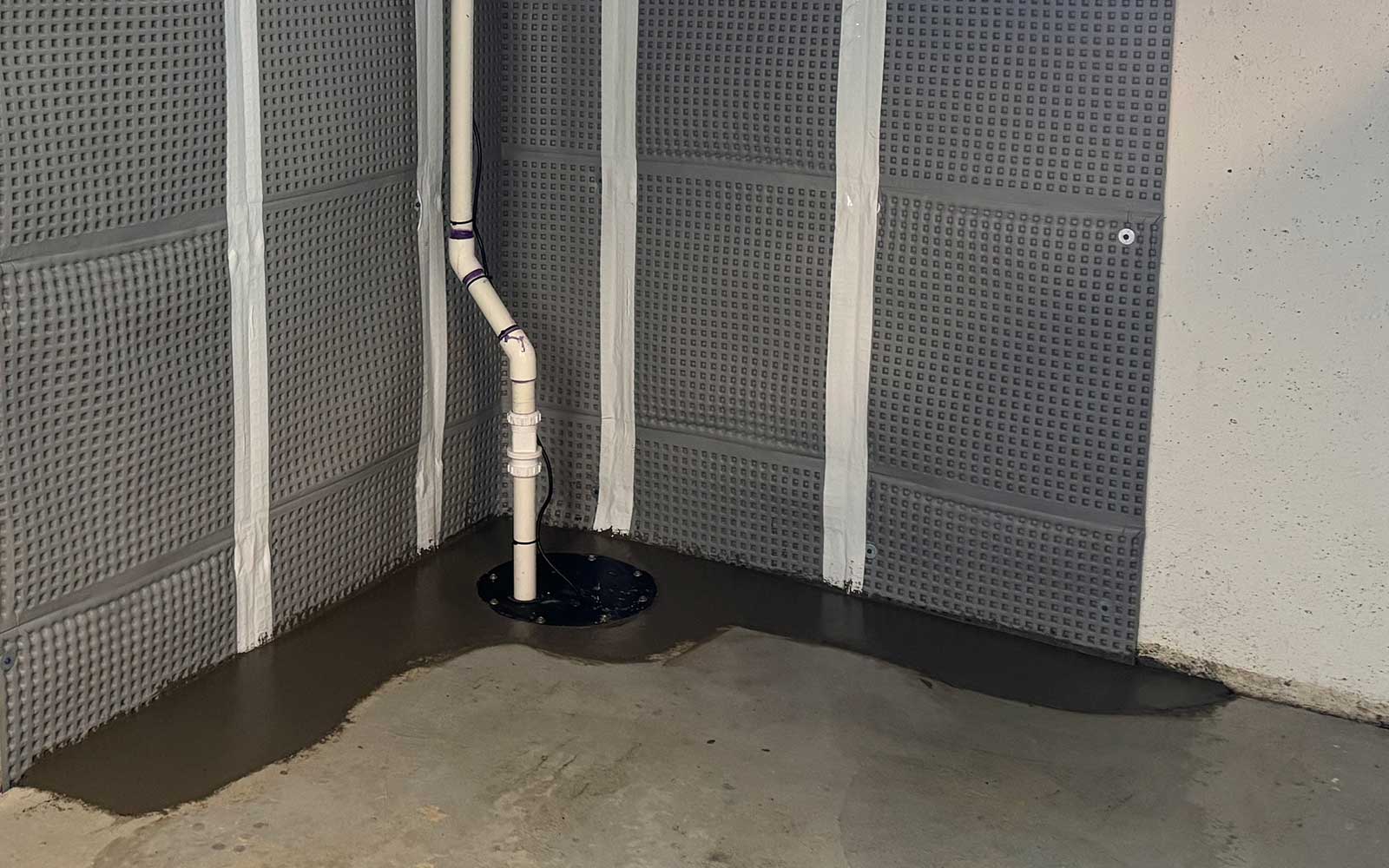
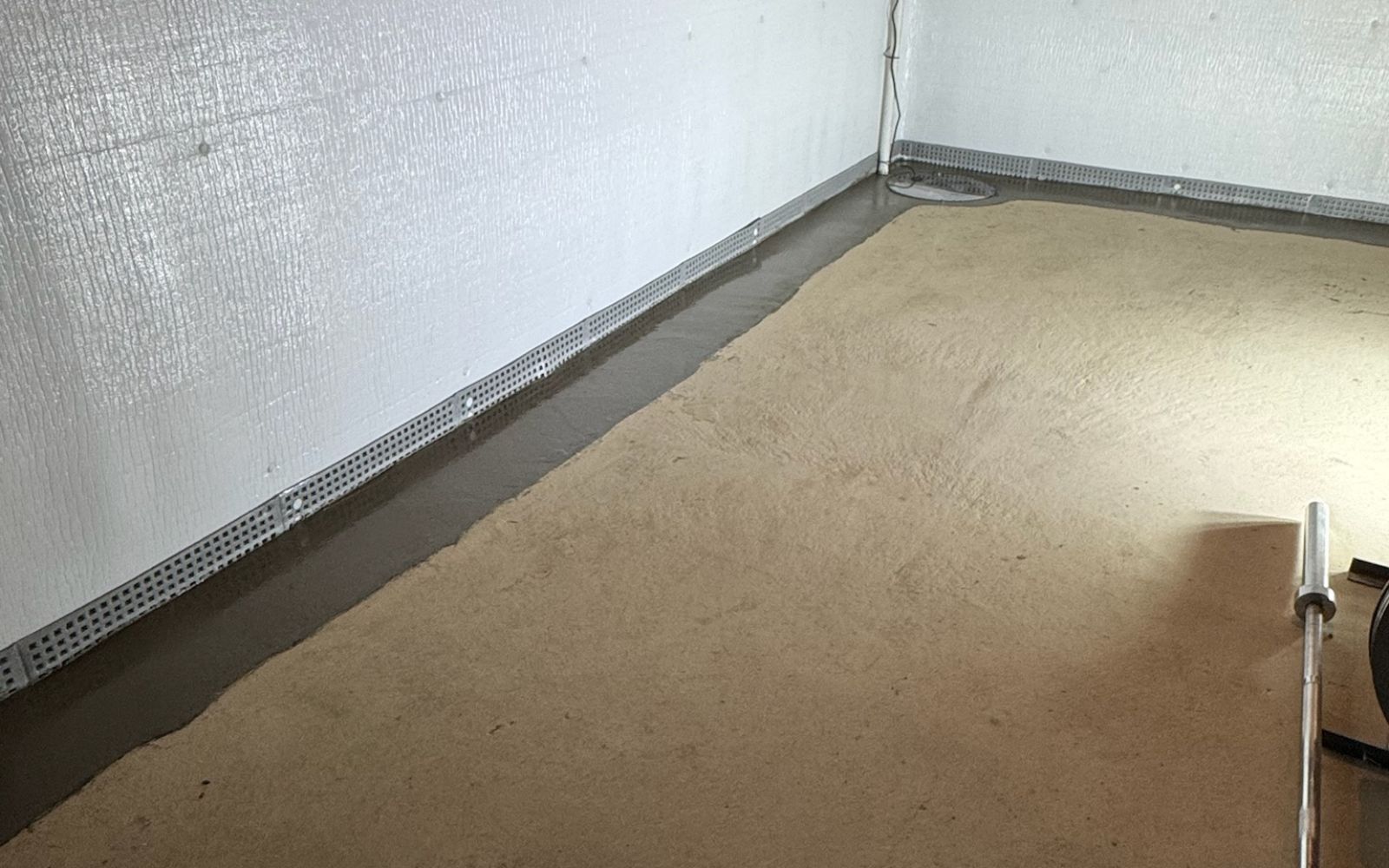
An interior drainage system, installed along the perimeter of the crawl space floor, collects water that seeps in. It’s less disruptive than exterior excavation and efficiently channels water to a sump pump. You can learn more about interior waterproofing systems here.
The heart of the system is the sump pump installation. A quality pump with a battery backup removes collected water from the crawl space, ensuring it works even during power outages common in New Jersey storms. For more details, check out our page for more information about sump pumps.
For truly effective moisture control, crawl space encapsulation is the gold standard. We install a heavy-duty vapor barrier, typically 6-mil or thicker, over the floor and up the walls, sealing the crawl space from ground moisture and outside air. This transforms the space into a clean, dry area and is a key part of modern wet crawl space solutions.
Professional-grade dehumidifiers are the final line of defense. These specialized units automatically maintain humidity levels below 50% to prevent mold growth, deter pests, and ensure healthy indoor air quality. To learn more about how these systems work, visit our page for more information about dehumidification.
By combining these elements—interior drainage, a reliable sump pump, full encapsulation, and a professional dehumidifier—we create a complete system that provides lasting wet crawl space solutions.
Protecting Your Investment and Your Health
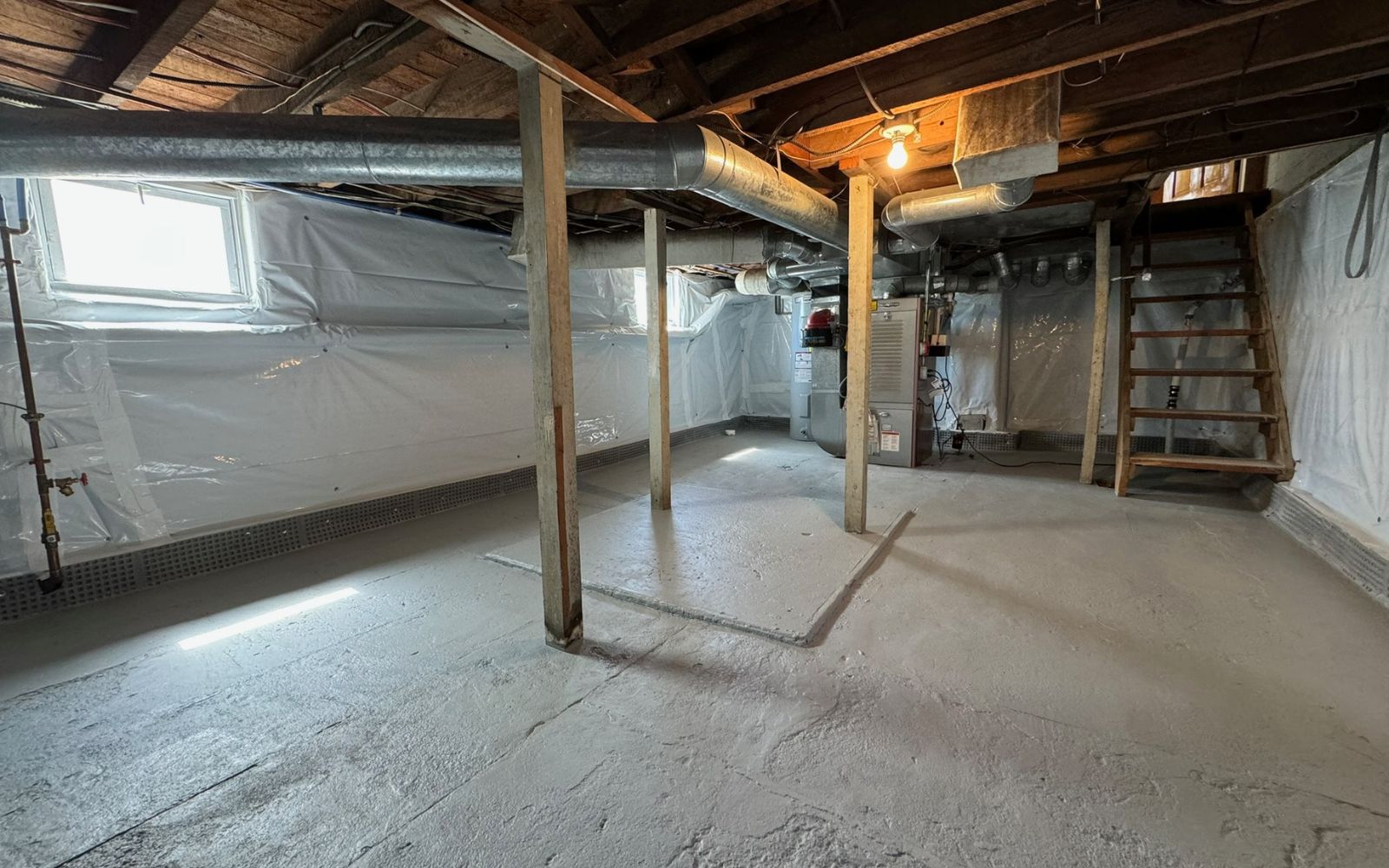
Investing in proper wet crawl space solutions is a smart investment in your home’s future and your family’s well-being, with significant long-term benefits that extend far beyond a dry basement.
The Long-Term Payoff of a Dry Crawl Space
Changing a damp, musty crawl space into a clean, dry, and encapsulated environment provides a host of advantages that will pay dividends for years to come.
- Improved indoor air quality: With up to 50% of your home’s air coming from the crawl space, a dry environment means fewer mold spores and allergens circulating, improving respiratory health.
- Lower energy bills: Dry air is easier to heat and cool. By eliminating crawl space humidity, homeowners can often save 15-25% on their heating and cooling costs.
- Protected structural integrity: A dry crawl space prevents wood rot in floor joists and reduces the risk of foundation damage, protecting your home’s stability.
- Elimination of pests: Pests thrive in damp environments. A dry crawl space makes your home far less appealing to them.
- Increased property resale value: A dry, encapsulated crawl space is a major selling point for potential buyers. It demonstrates that the home has been well-maintained and can even create clean, usable storage space.
When to Call the Pros: Your Guide to Professional Help
While DIY steps can help with minor issues, some situations require professional intervention to avoid costlier problems down the road. As Nelson Manso, with nearly three decades of experience, I’ve seen when professional wet crawl space solutions are essential.
Here’s when you should call in the experts:
- Significant standing water: Recurring or deep standing water requires a professional drainage system and sump pump.
- Visible foundation cracks or bowing walls: These are serious structural issues that need an expert assessment to prevent catastrophic damage.
- Widespread mold growth: Extensive mold requires professional remediation and a permanent moisture solution to address health risks and prevent its return.
- DIY fixes are not working: If your efforts don’t solve the problem, it’s time for a professional to diagnose the deeper issue.
- When you need a complete waterproofing system: Installing a comprehensive system of drainage, sump pumps, and encapsulation requires professional expertise for lasting protection.
- When you need an expert assessment: If the cause of moisture isn’t obvious, a professional can provide an accurate diagnosis and recommend the most effective solution.
At Premier Basement Waterproofing, we pride ourselves on honest, transparent solutions. We offer custom, no-pressure services for Monmouth County homeowners, focusing on education and fair pricing, backed by a 4-step process and guarantee. Don’t let a wet crawl space undermine your home or your family’s health. When you’re ready for lasting wet crawl space solutions, let us help you. You can get a custom solution for your crawl space by contacting us today.
