
Why Basement Leak Repair Matters for Your Home
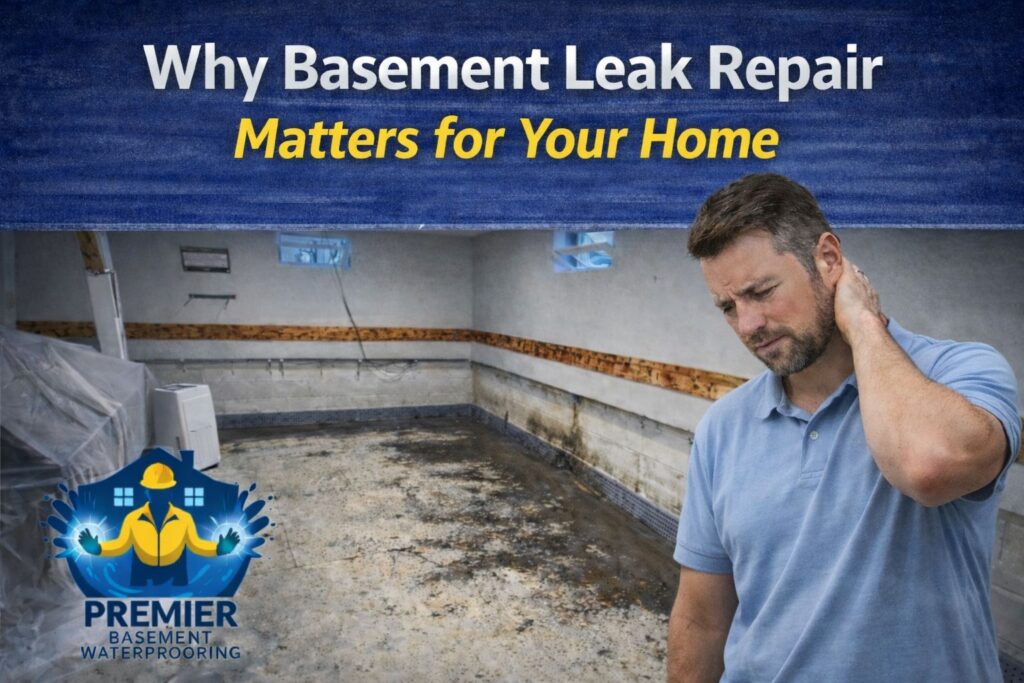
Basement leak repair is a critical task for any homeowner. Ignoring a leak can lead to serious problems over time, including structural damage, health risks from mold, and a noticeable drop in your home’s value.
To effectively handle a leak, you must identify its source, act quickly to prevent mold, and choose the right solution—from simple sealing to comprehensive drainage systems. The good news is that most leaks are permanently fixable when you address the root cause.
This guide will walk you through identifying your leak, understanding repair options, and preventing future problems. We’ll cover DIY fixes for minor issues and explain when to call a professional.
I’m Nelson Manso, owner of Premier Basement Waterproofing. With 29 years of experience in basement leak repair in Monmouth County, New Jersey, I know that homeowners need transparent, customized solutions, not high-pressure sales tactics.
Identifying the Cause and Risk of Basement Leaks
When I see a wet basement, my first question is always: where is the water coming from? Identifying the source is the key to effective basement leak repair. Because basements are below ground, they are vulnerable to water intrusion through foundation walls, floors, or even porous concrete itself. Ignoring these issues can damage your entire home. For more details on foundation health, see our page on Foundation Repair.
Common Causes and Telltale Signs of Water Intrusion
Understanding the common culprits helps pinpoint the problem for effective basement leak repair.
Common Causes:
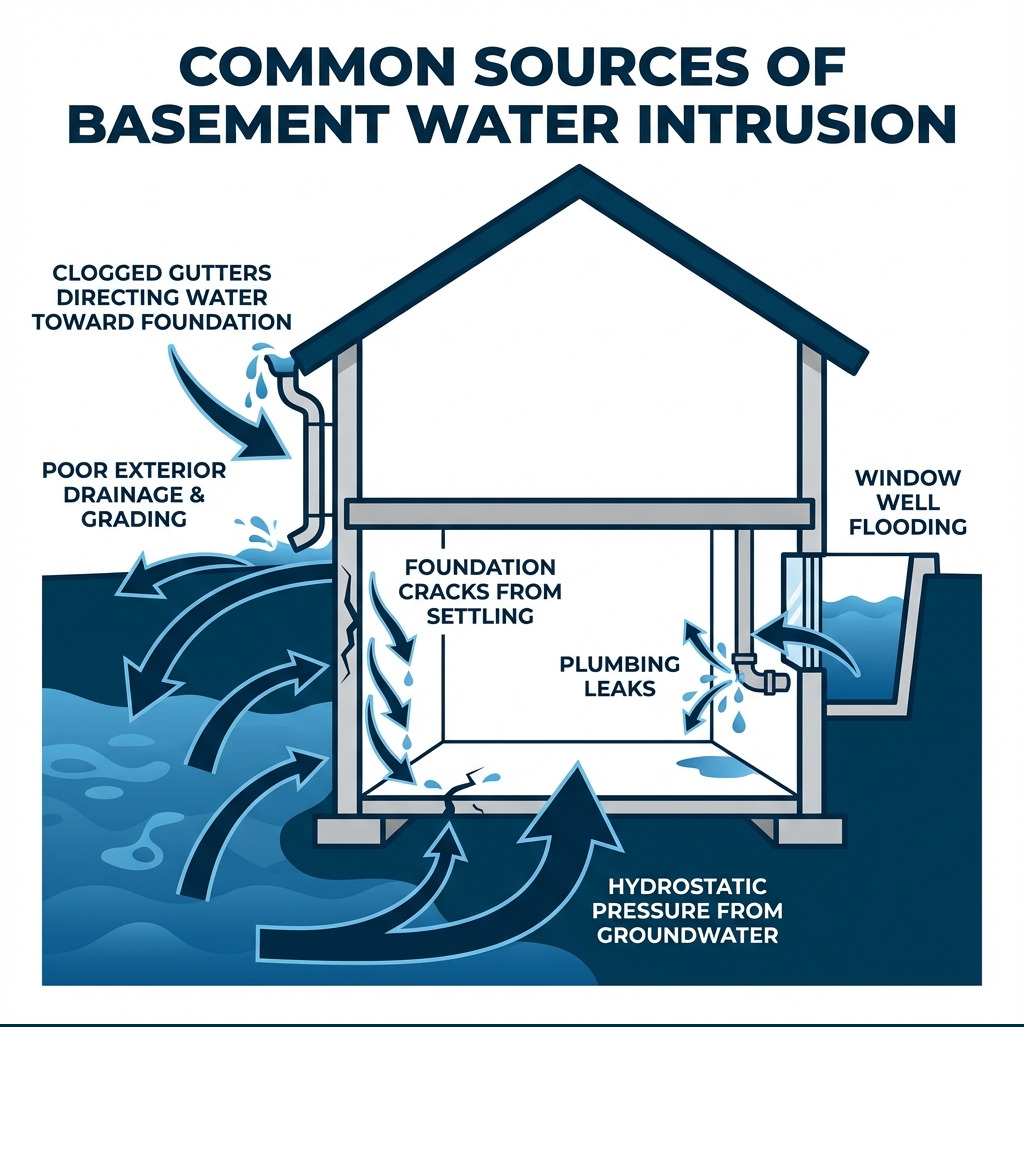
- Hydrostatic Pressure: Groundwater pushes against your foundation, forcing water through cracks and porous concrete. This pressure increases after heavy rain or snowmelt.
- Foundation Cracks: Settling, ground movement, or poor construction can create cracks in walls or floors, providing direct pathways for water.
- Poor Yard Grading: If the ground slopes toward your house, it directs rainwater right to your foundation, saturating the soil.
- Clogged Gutters and Downspouts: Overflowing gutters or short downspouts dump water next to the foundation, creating a concentrated source of saturation.
- Window Well Issues: Improperly drained window wells can fill with water, which then seeps through basement windows.
Telltale Signs:
Often, the signs of a leak are subtle. Here’s what to look for:
- Musty Odors: A damp, earthy smell is a classic red flag for hidden moisture or mold.
- Visible Mold or Mildew: Black, green, or white growth on walls or stored items indicates a moisture problem.
- Water Stains: Discoloration on walls or floors clearly marks where water has been.
- Peeling Paint or Wallpaper: Moisture behind walls causes paint to bubble and wallpaper to peel.
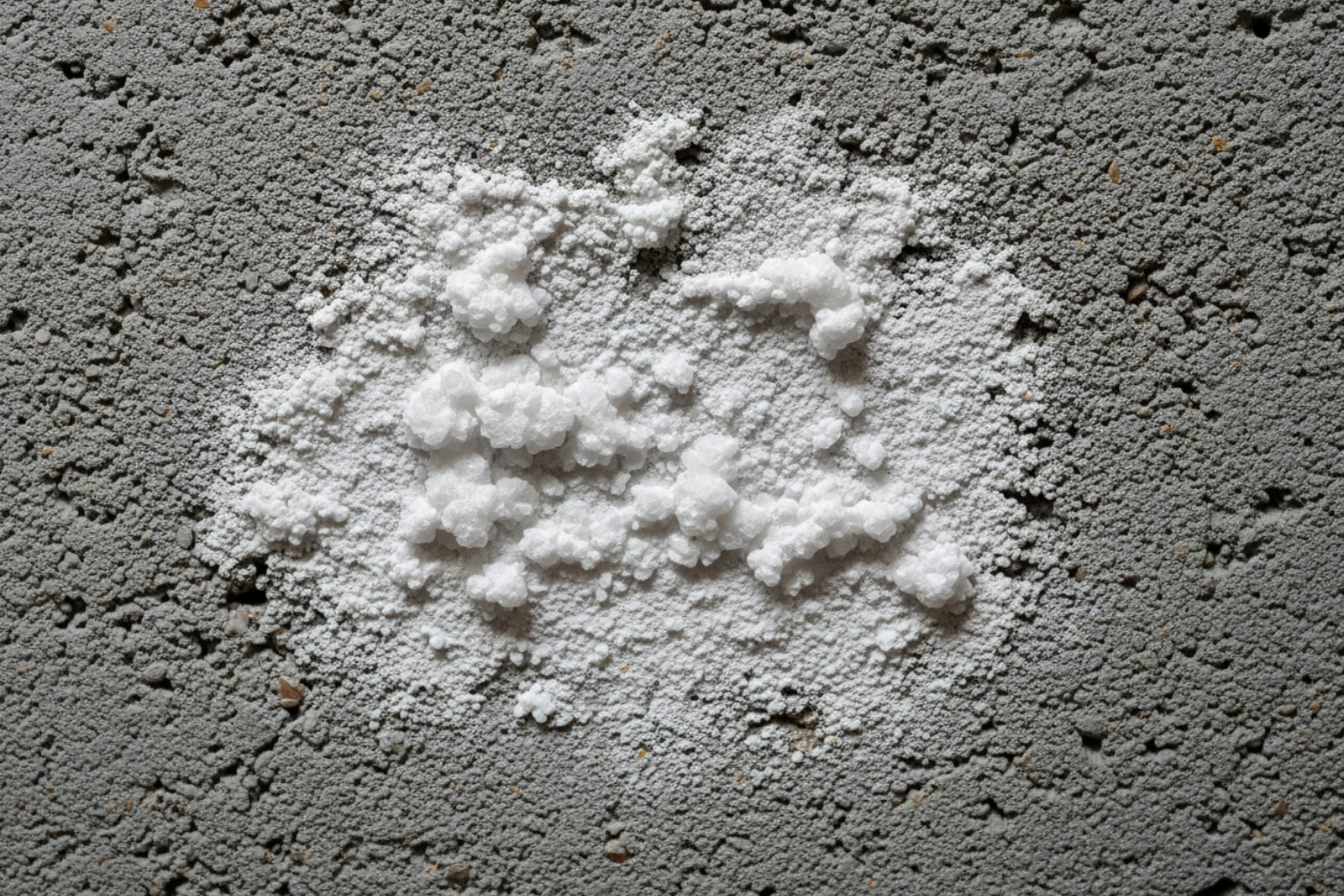
- Efflorescence: A white, powdery residue on concrete walls, left behind as water evaporates and leaves mineral salts.
- Bowing Walls: A serious structural sign where walls bulge inward due to intense external pressure. This requires immediate professional attention.
- Cracks: Look for cracks in foundation walls and floors. Horizontal cracks or those that are expanding are particularly concerning.
Air leaks can also contribute to dampness. Energy.gov offers a helpful method for finding them.
The Dangers of Ignoring a Wet Basement
Putting off basement leak repair is a risk you shouldn’t take. A wet basement is more than an inconvenience—it’s a threat to your home and family.
- Structural Damage: Chronic moisture weakens concrete and rots wooden supports, compromising your home’s foundation.
- Health Risks: Mold can grow within 24-48 hours, triggering allergies, asthma, and other respiratory problems.
- Property Devaluation: A wet basement is a major red flag for potential buyers and can significantly lower your home’s value.
- Pest Infestations: Damp environments attract termites, rodents, and other pests.
Addressing leaks quickly saves money and prevents greater damage. It’s an investment in your home’s longevity and your family’s health.
Your Guide to Effective Basement Leak Repair and Prevention
Now that we understand the causes, let’s explore the solutions. Effective basement leak repair requires a custom approach based on the leak’s source and severity. My goal at Premier Basement Waterproofing is to provide a solution that genuinely solves the problem for New Jersey homeowners.

Repair methods range from simple DIY fixes to comprehensive professional systems. The right choice balances cost, invasiveness, and long-term effectiveness. For an overview of our services, visit our Basement Waterproofing page.
DIY vs. Professional Basement Leak Repair: What to Know
Can you handle basement leak repair yourself? It depends on the leak.
DIY Tasks:
For minor issues, a DIY approach may be feasible:
- Sealing Minor Cracks: Small, non-structural hairline cracks can be sealed with concrete crack repair products.
- Applying Waterproof Coatings: A masonry sealer applied to interior walls can add a layer of protection against general dampness.
However, these are often temporary fixes that mask the problem without addressing the root cause, like hydrostatic pressure.
When to Call a Pro:
It’s time to call an expert for:
- Large or Horizontal Cracks: These indicate potential structural stress.
- Bowing Walls: A sign of foundation failure that demands immediate professional assessment.
- Persistent Water Problems: If DIY fixes fail or you have recurring leaks, a professional can diagnose the complex issue and implement a lasting solution.
My team offers honest advice, whether it’s a simple fix or a robust professional system. See what our customers say on our customer reviews page.
Interior vs. Exterior Waterproofing: Which Method is Right for You?
Choosing between interior and exterior waterproofing is a critical decision in basement leak repair.
| Feature | Interior Waterproofing | Exterior Waterproofing |
|---|---|---|
| Cost | Generally more economical | Typically more expensive |
| Invasiveness | Less invasive; work is inside the basement | Highly invasive; requires excavation |
| Effectiveness | Manages water that has entered | Stops water at the source |
| Primary Goal | Collects and redirects water | Creates an impermeable barrier |
| Disruption | Minimal disruption to landscaping | Significant disruption to landscaping |
Interior Waterproofing:
This method manages water once it enters the basement. It’s less invasive and more economical. An interior system collects water that seeps through walls and directs it to a sump pump. We also use sealants and install Vapor Barriers to block moisture and reduce humidity. Learn more at our Interior Waterproofing Systems page.
Exterior Waterproofing:
This approach stops water before it ever reaches your foundation. It involves excavating around the home to apply a waterproof membrane to the exterior walls. While more invasive and costly, it provides the most robust protection by tackling the problem at its source.
The best method for your home depends on a professional assessment of your specific situation.
The Role of Drainage Systems and Sump Pumps in Basement Leak Repair
Drainage systems and sump pumps are the workhorses of basement leak repair, managing and removing water to prevent damage.
Drainage Systems:
These systems collect and channel water away from your foundation.
- French Drains (Exterior): A trench with a perforated pipe that collects groundwater and directs it away from your home.
- Sub-Floor Pressure Relief Systems (Interior): A perimeter drain inside your basement that collects water seeping through the foundation and channels it to a sump pump. This is highly effective for hydrostatic pressure.
Explore these options on our Drainage Solutions page.
Sump Pumps:
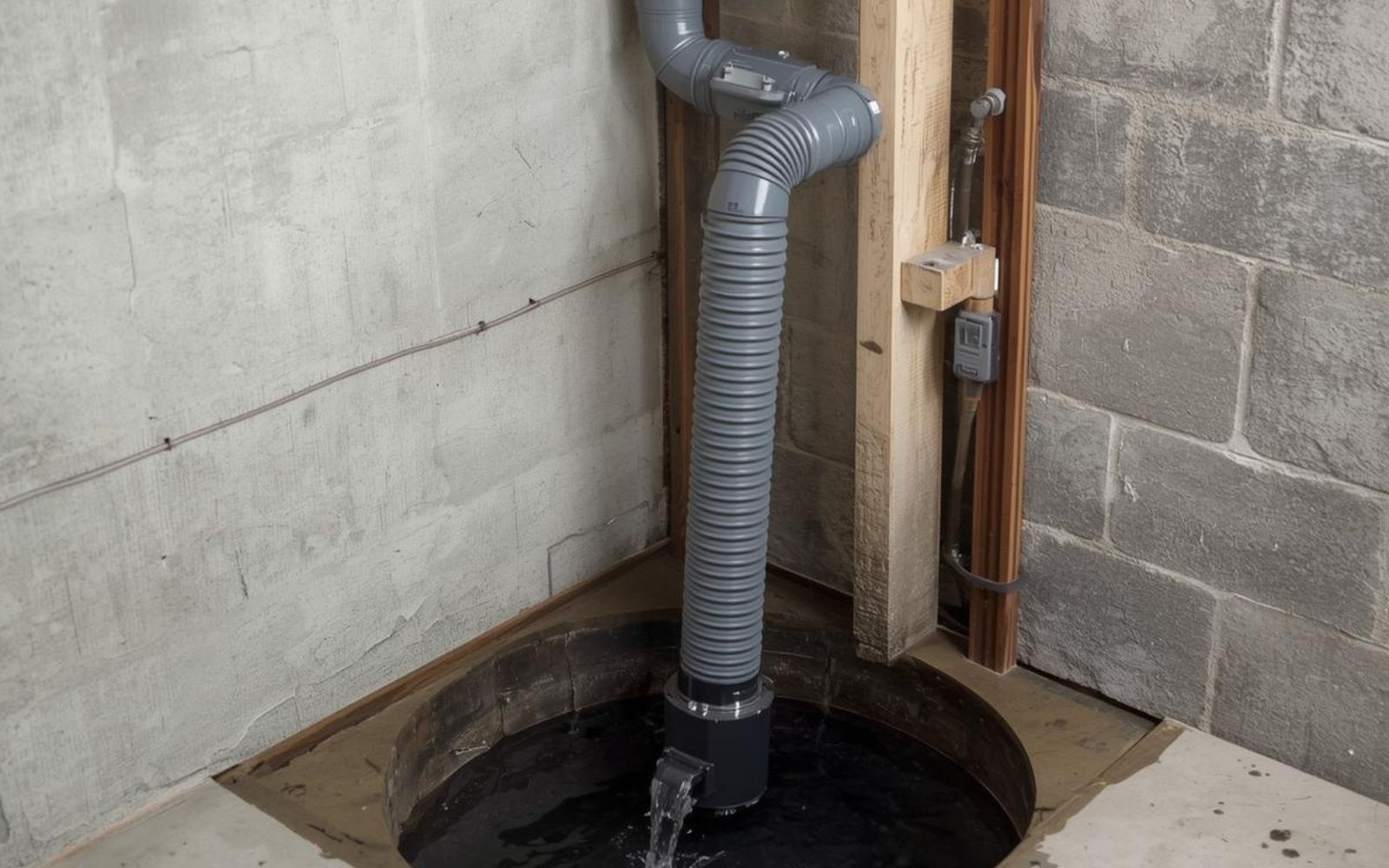
A sump pump is the heart of most interior waterproofing systems. It sits in a sump pit, collects water from the drainage system, and automatically pumps it out and away from your home. I always recommend a model with a battery backup to ensure protection during power outages, which are common during storms. For more details, visit our Sump Pumps page.
Preventing Future Leaks and Maintaining a Dry Basement
After your basement leak repair is complete, proactive maintenance is key to keeping your basement dry.
Preventative Measures:
- Proper Yard Grading: Ensure the ground slopes away from your foundation (at least six inches over the first 10 feet).
- Clean Gutters and Downspouts: Regularly clear debris to prevent overflows next to the foundation.
- Extend Downspouts: Make sure they discharge water at least 6-10 feet away from your home.
Maintenance:
- Test Sump Pump Quarterly: Pour a bucket of water into the pit to ensure it activates correctly.
- Inspect for New Cracks Annually: Check basement walls and floors for any new signs of moisture.
Humidity Control:
High humidity can cause musty odors and mold. Use a dehumidifier to keep relative humidity below 50%. For more on this, visit our Dehumidification page. For a professional check-up, you can always schedule an Inspection with us.
Conclusion: Secure Your Home with a Permanent Solution
I hope this guide has clarified the solutions for basement leak repair. A dry basement protects your home’s value, structure, and your family’s health.
The key takeaway is that addressing the root cause with a comprehensive system is crucial for a permanent fix. At Premier Basement Waterproofing, we are committed to providing honest, custom solutions for Monmouth County, New Jersey homeowners, without high-pressure sales tactics.
Don’t let a wet basement cause stress and expense. For a professional assessment and a permanent solution, explore our service areas and schedule a free inspection today. Let’s work together to secure your home for years to come.
