

Say Goodbye to Stink: How to Eliminate Musty Odors from Your Basement Carpet
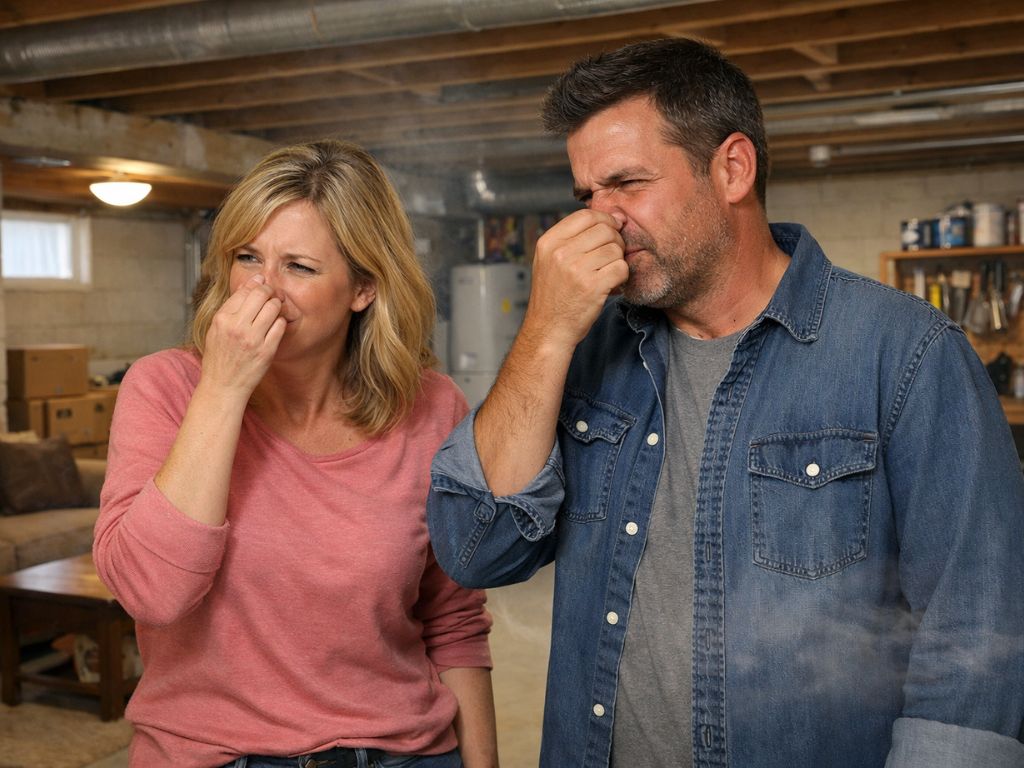
Why That Musty Smell Is More Than Just Unpleasant
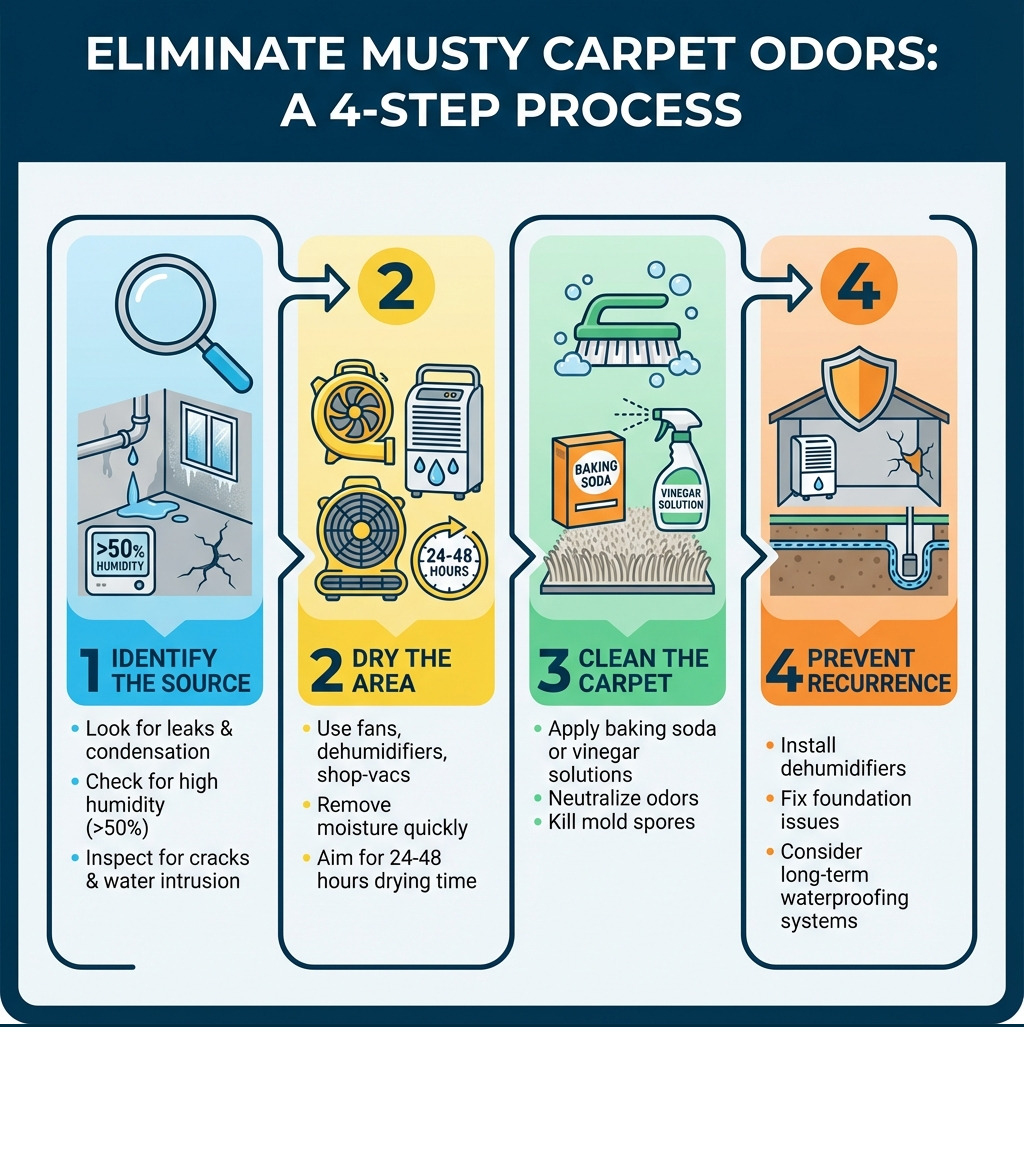
If your basement carpet smells musty, it’s more than an annoyance—it’s a warning sign of moisture, mold, and mildew. The good news is you can fix it with a four-step process:
- Identify the moisture source – Find leaks, condensation, or high humidity.
- Dry the affected area – Use fans and dehumidifiers to remove all moisture.
- Clean and treat the carpet – Neutralize odors with solutions like baking soda or vinegar.
- Prevent recurrence – Implement long-term humidity control and waterproofing.
That damp, earthy smell is caused by microbial volatile organic compounds (MVOCs) released by mold and mildew thriving in humidity above 50%. These fungi can also trigger health issues like coughing and congestion, especially for those with allergies.
The odor penetrates deep into carpet padding and the subfloor, which is why air fresheners don’t work. You must eliminate the moisture at its source. Basements are naturally vulnerable due to poor air circulation and high humidity, making a wet carpet a recipe for persistent odors.
I’m Nelson Manso, and with 29 years of experience waterproofing basements in Monmouth County, I’ve helped countless homeowners solve this exact problem. This guide will show you how to get rid of that musty smell for good.
Your Action Plan for When Your Basement Carpet Smells Musty
When your basement carpet smells musty, it’s my job to help you tackle the problem head-on. The key is to approach it systematically, starting with understanding why it smells, taking immediate action to mitigate damage, and then implementing long-term solutions.
Uncovering the Source: The Link Between Moisture, Mold, and Odor
Let’s be clear: that musty smell isn’t just a quirky basement characteristic. It’s a tell-tale sign of a deeper issue, almost always related to moisture. Mold and mildew flourish in damp settings, releasing Microbial Volatile Organic Compounds (MVOCs). These compounds have a very low odor threshold, meaning even a small amount of growth can make your entire basement musty.
Common moisture sources in Monmouth County basements include:
- High Humidity: The most common culprit. When humidity exceeds 50%, it creates the perfect breeding ground for mold. Foggy windows are a clear sign of excess humidity.
- Leaks: These can be obvious or subtle. Look for cracks in the foundation (which may show a white, chalky residue called efflorescence), leaky or sweating pipes, and poorly sealed windows or doors.
- Groundwater Intrusion: If your property slopes toward the house or you have a high water table, groundwater can seep into your basement.
- Dry Drains: A dry P-trap in a floor drain or unused sink can release sewer gases, contributing to mustiness.
- Old Spills: Forgotten spills or pet accidents that weren’t thoroughly cleaned can fester in the carpet and padding.
The Health Factor: It’s not just about the smell. Mold spore exposure can trigger coughing, wheezing, and nasal congestion, especially for those with allergies or respiratory issues. The basement carpet smells musty because you’re breathing in airborne MVOCs. The Center for Disease Control (CDC) cautions that extended exposure can cause a variety of health effects. For additional background on how indoor mold affects health, you can also review the World Health Organization’s overview on indoor air quality and dampness. As a homeowner in Freehold, Manalapan, or Colts Neck, it’s crucial to address these issues promptly.
Immediate First Aid: How to Dry a Wet Carpet and Reduce Smells Now
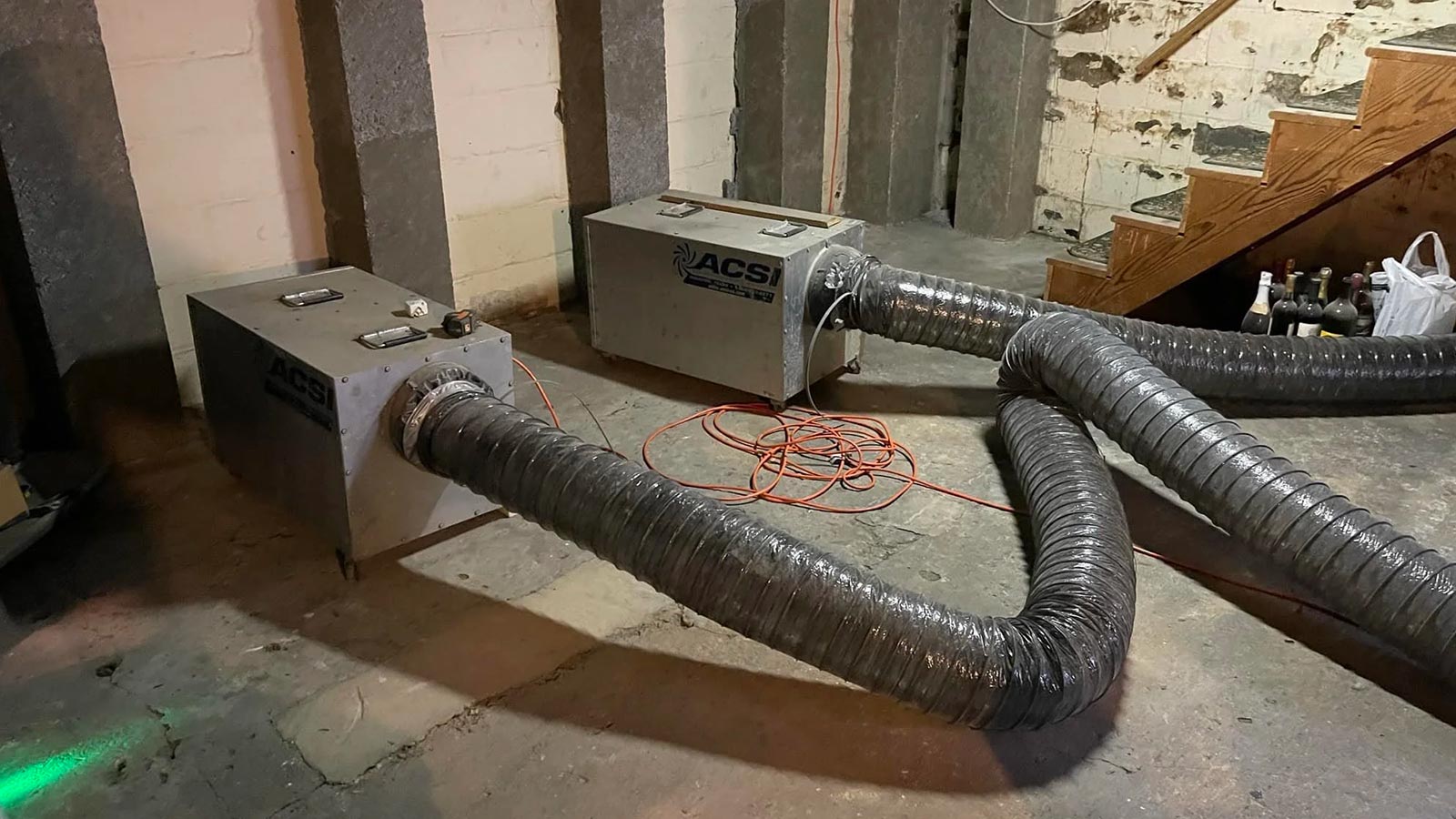
When you find a wet spot and your basement carpet smells musty, act fast. The speed of drying is critical to prevent mold growth and minimize odor. Here’s your immediate action plan:
- Stop the Water: If there’s an active leak, shut off the water supply or divert water away from the foundation immediately.
- Contain the Smell: Close any HVAC intake vents in the basement to prevent spores from spreading throughout your home.
- Extract Water: Use a wet/dry shop vac to pull as much water from the carpet as possible. Go over the area multiple times.
- Boost Air Circulation: Aim fans directly at the wet spot. If possible, open windows and use fans to create cross-ventilation to push damp air out.
- Dehumidify: Run a dehumidifier continuously in the basement, setting it to 45-50% humidity to pull moisture from the air and carpet.
- Apply Odor Absorbers: Once the carpet is just damp (not soaked), you can use natural solutions:
- Baking Soda: Sprinkle a generous amount over the damp area. Let it sit for several hours or overnight, then vacuum it up thoroughly once the carpet is completely dry.
- White Vinegar Solution: Mix equal parts white vinegar and water in a spray bottle and lightly mist the carpet. The vinegar smell will fade as it dries, neutralizing musty odors and helping to kill mold spores.
These steps are crucial first aid but may not solve a recurring problem. If the carpet was wet for over 24-48 hours or the smell persists, a deeper issue likely exists.
The Permanent Fix: Long-Term Prevention and When to Call a Pro
Temporarily alleviating a musty carpet smell in the basement is a great start, but for lasting freshness, we need to address the root cause. As I’ve learned from my years working with homeowners in Rumson, Monmouth Beach, and other Monmouth County towns, a musty smell indicates a moisture problem that needs a permanent solution.
Long-Term Solutions for Preventing Musty Smells
- Humidity Control: This is non-negotiable. Run a high-capacity dehumidifier continuously to keep humidity between 45-50%. You can explore our Dehumidification solutions for the right system. Also, improve ventilation with fans and by keeping basement doors open.
- Fix Leaks and Water Intrusion: Ensure gutters and downspouts direct water far from your foundation. The ground should slope away from your house. Seal foundation cracks—our Foundation Repair services can help with significant issues. Insulate cold water pipes to prevent condensation.
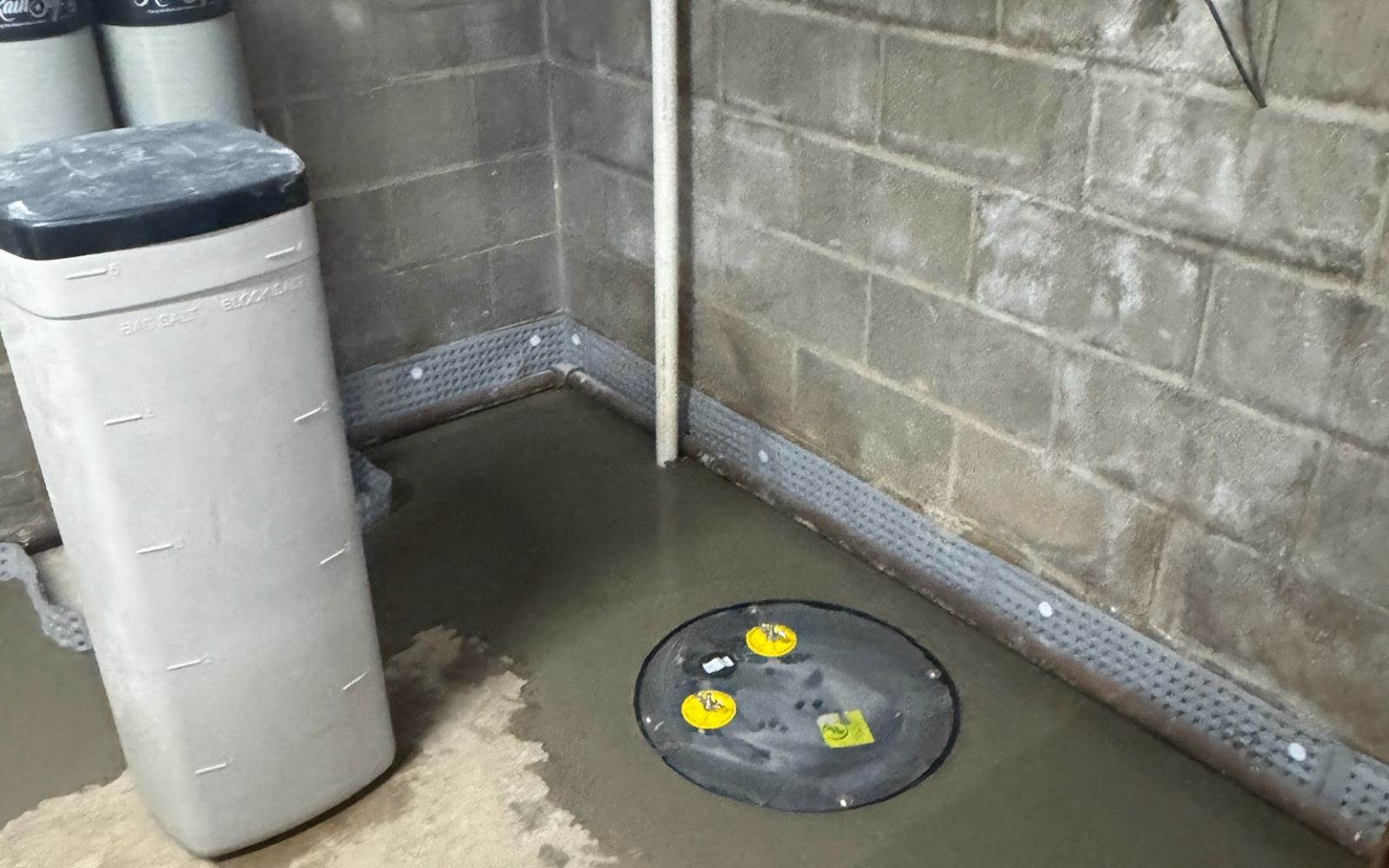
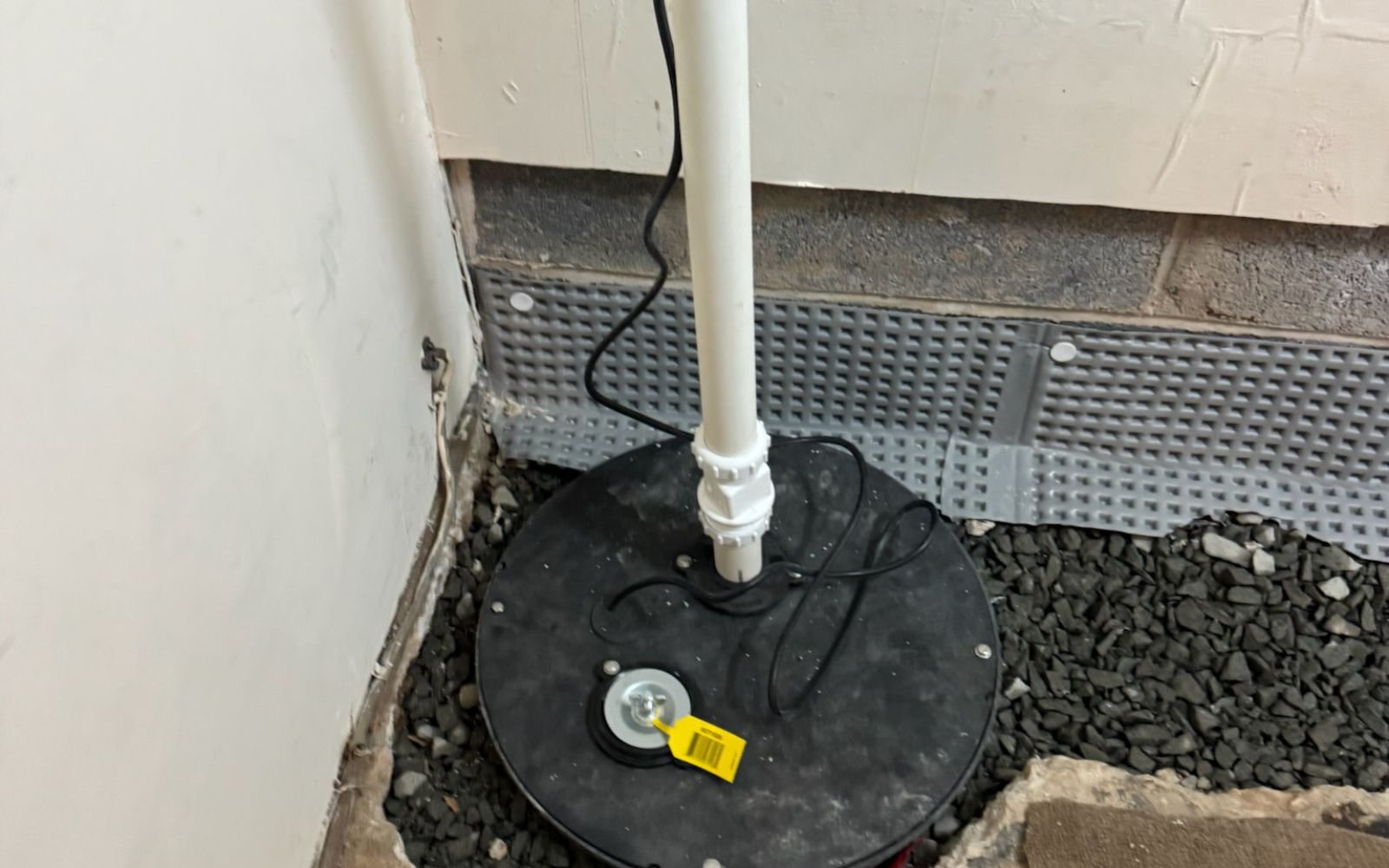
- Basement Waterproofing Systems: For persistent moisture, a comprehensive system is the best defense. This can include an Interior Waterproofing System to collect and divert water to a Sump Pump, or a Vapor Barrier on the walls to block moisture.
- Consider Flooring: If a carpet is repeatedly getting damp or the padding is damaged, consider replacing it with moisture-resistant flooring like tile, vinyl, or sealed concrete.
When to Call a Professional
While DIY methods are effective for minor issues, it’s time to call an expert if you encounter:
- Widespread Mold: The EPA recommends professional remediation for mold covering more than 10 square feet. You can review their general guidance on mold cleanup in homes in this U.S. Environmental Protection Agency overview.
- Persistent Moisture: If you can’t find the source of the water or it keeps coming back, you need a professional assessment.
- Structural Issues: Significant foundation cracks or other structural damage require an expert.
- Sewage Contamination: This is a biohazard and requires professional cleanup.
- Lingering Odor: If the basement carpet smells musty after you’ve tried everything, it points to a hidden moisture or mold problem that a pro can find and fix.
For homeowners in Freehold, Aberdeen, or Holmdel, I can tell you that addressing these issues correctly from the start saves a lot of headaches (and money) down the road. We provide honest, transparent solutions, focusing on educating you about the problem and offering custom, no-pressure services.
Reclaim Your Basement for a Fresh, Healthy Home
Dealing with a basement carpet smells musty can feel overwhelming, but I hope this guide has shown you that it’s a solvable problem. The key is to remember that the smell is a symptom, not the disease. By systematically identifying and eliminating the source of moisture, drying the affected areas, thoroughly cleaning, and implementing long-term preventative measures, you can transform your basement.
Don’t just mask the odor; eliminate it at its source. This not only makes your home a more pleasant place to be but also protects your family’s health and preserves the structural integrity of your property. For over 29 years, I’ve been committed to helping Monmouth County homeowners create healthy, dry, and fresh basements.
If you’re dealing with persistent musty odors, recurring dampness, or simply want to ensure your basement is protected for the long haul, don’t hesitate to reach out. Protect your home with comprehensive basement waterproofing solutions from Premier Basement Waterproofing. We’re here to help you breathe easy again.