

Don’t Get Soaked: A Homeowner’s Guide to Basement Waterproofing
Why Every Homeowner Needs to Understand Basement Water Problems
A basement water problem is more than a puddle; it’s a threat to your home’s foundation, your family’s health, and your property’s value.
Quick Answer: Basement Water Problem Essentials
- Most Common Causes: Poor exterior drainage, hydrostatic pressure, foundation cracks, clogged gutters, and plumbing leaks.
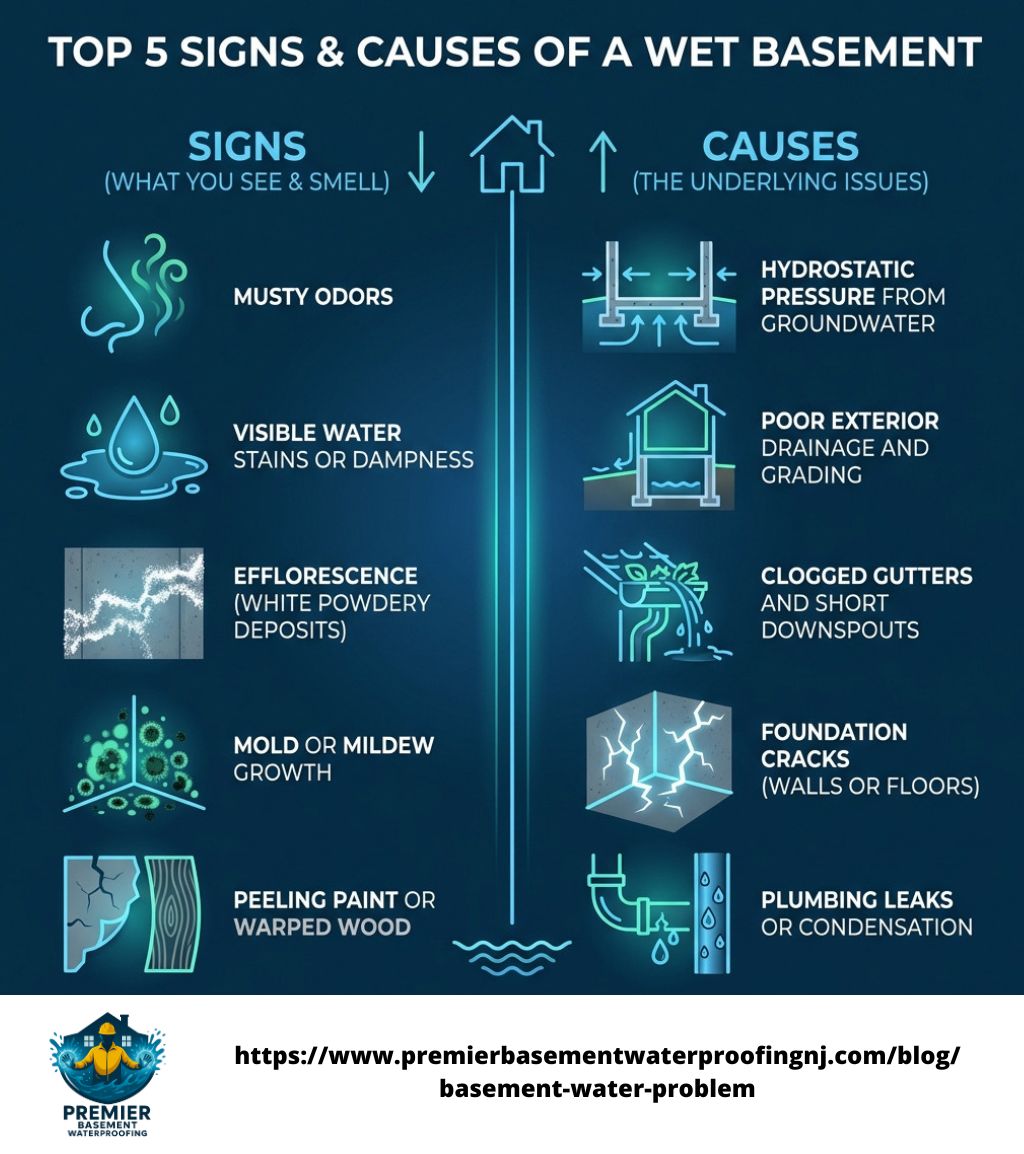
- Warning Signs: Musty smells, water stains, efflorescence (white powder), mold, dampness, and peeling paint.
- Immediate Action: Turn off electricity, identify the source, remove water, and dry the area within 48 hours.
- Prevention: Improve grading, maintain gutters, seal cracks, install proper drainage, and consider a sump pump.
- When to Get Help: Recurring issues, structural cracks, bowing walls, or any problem beyond simple DIY fixes.
In the US, flooding causes approximately $17 billion in damage to homes annually, and over half of all basements experience moisture issues. Ignoring a wet basement can compromise your home’s structure, lead to dangerous mold growth within 24-48 hours, and lower your property value.
The good news is that most basement water problems are preventable and solvable. Understanding the cause—whether it’s groundwater, poor drainage, or a foundation crack—is the first step to a permanent fix.
I’m Nelson Manso, and with 29 years of experience solving basement water problems in Monmouth County, New Jersey, I’m here to help you diagnose and fix what’s happening in your basement.
Diagnosing Your Basement Water Problem
Before you can fix a basement water problem, you must play detective to find the source of the moisture.
Telltale Signs: How to Spot Trouble Early
Catching subtle hints early can save you significant expense. Be vigilant for these common indicators:
- Damp Spots or Puddles: The most obvious sign, from small damp patches to standing water.
- Musty Odors: A “basement smell” often indicates mold or mildew growth from hidden moisture.
- Visible Mold or Mildew: Fuzzy or slimy patches of black, green, or white growth on surfaces are a clear sign of a moisture problem and a health concern.
- Peeling Paint or Wallpaper: Moisture pushing through walls causes paint to bubble, flake, or peel.
- Warped Wood: Trim, beams, or other wooden elements may swell or rot.
- Water Stains: Discolored patches on walls, floors, or ceilings show where water has been present.
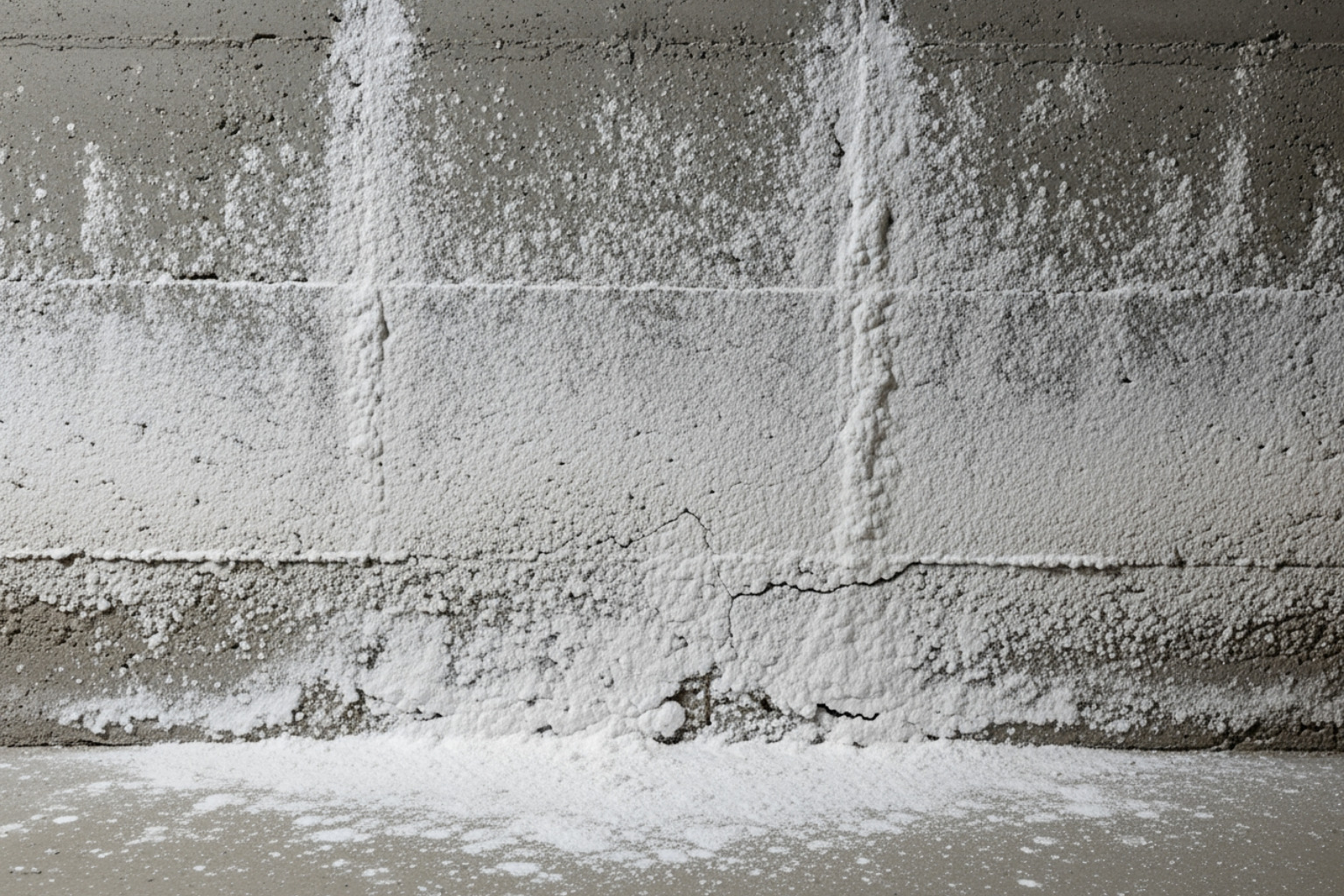
- Efflorescence: A white, powdery deposit on concrete or masonry. It’s left behind when water seeps through the wall and evaporates, indicating water infiltration.
- Pest Infestations: Insects like silverfish and centipedes are attracted to damp environments.
- High Humidity: A consistently clammy or muggy feeling, which creates a breeding ground for mold.
- Condensation: “Sweating” on pipes, windows, or cool concrete walls is a symptom of high humidity.
Common Causes of a Basement Water Problem
A basement water problem is usually the result of one or more underlying issues. Here are the most common culprits:
- Hydrostatic Pressure: When saturated soil around your foundation exerts immense pressure, it can force water through porous concrete, cracks, and joints. This is a common issue after heavy rain or in areas with high water tables.
- Poor Exterior Drainage: This is the most frequent cause of water issues.
- Improper Grading: If the ground around your home is flat or slopes toward the foundation, it directs water right where you don’t want it.
- Clogged Gutters and Downspouts: Overflowing gutters or downspouts that are too short dump rainwater directly against your foundation.
- Foundation Cracks: Settling or soil pressure can cause cracks in foundation walls and floors, creating direct pathways for water to enter.
- Window Well Leaks: Improperly drained or clogged window wells can fill with water, which then seeps in around the window frame.
- Plumbing Leaks: A burst pipe, faulty water heater, or overflowing washing machine can cause sudden and significant flooding.
- Condensation: Warm, humid air contacting cool basement surfaces (walls, pipes) can condense into liquid water, contributing to overall dampness and mold growth.
Understanding the Source: Seepage, Sewer Backup, and More
Understanding the water’s origin is crucial for proper remediation, as treating a sewer backup like simple groundwater seepage can have serious health implications.
- Seepage (Groundwater Intrusion): The most common issue, where water from saturated soil enters through cracks, the cove joint (where wall meets floor), or other openings.
- Storm Sewer Backup: During heavy rain, an overwhelmed municipal storm sewer can back up into your home through drain lines.
- Sanitary Sewer Backup: A severe health hazard. A blockage in the municipal sanitary sewer line can force raw sewage into your home. This water contains dangerous bacteria and other contaminants.
Here’s a quick comparison:
| Feature | Seepage (Groundwater) | Storm Sewer Backup | Sanitary Sewer Backup |
|---|---|---|---|
| Source | Ground water saturating soil around foundation | Municipal storm sewer system | Municipal sanitary sewer system |
| Entry Points | Cracks (walls/floor), cove joint, pipe/window openings | Sump pump discharge lines, old direct downspout connections | Floor drains, toilets, showers, sinks |
| Appearance | Clear to muddy water, often slow and persistent | Generally clearer water, can be sudden and voluminous | Foul-smelling, dark, contains raw sewage and waste |
| Primary Risk | Water damage, mold, structural issues | Water damage, mold, some contaminants | Severe health hazard (bacteria, viruses), water damage, mold |
| Urgency | Address promptly to prevent escalation | Address immediately to prevent extensive damage | Extreme urgency due to biohazard; professional cleanup vital |
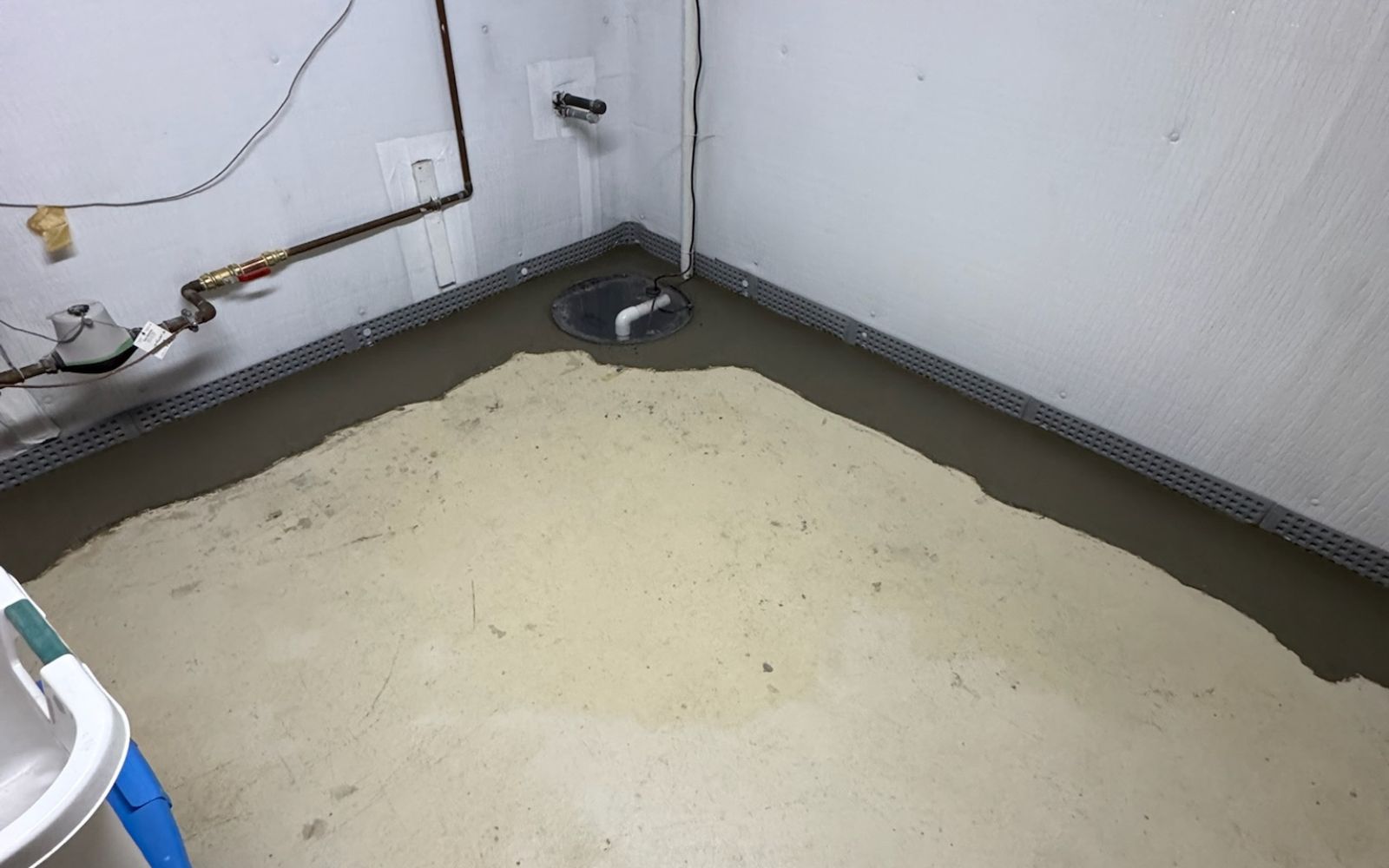
Finally, know the difference between damp proofing (a moisture-resistant coating) and waterproofing (a system that actively stops liquid water and directs it to a drain). For significant water problems, a true waterproofing solution is necessary. You can find More info about interior waterproofing systems here.
Your Action Plan: From Emergency Fixes to Permanent Solutions
Finding water in your basement is alarming, but a strategic response can minimize damage and set you up for a permanent solution.
Found Water? Here’s What to Do Immediately
When you find a basement water problem, act quickly with these steps:
- Prioritize Safety: Water and electricity are a deadly mix. If you can safely reach your breaker box without entering water, turn off the power to the basement. If not, call an electrician. Wear rubber boots and gloves.
- Identify the Source: Look for the origin. Is it a burst pipe, a foundation crack, or a sewer backup? If it’s a plumbing leak, shut off your home’s main water supply.
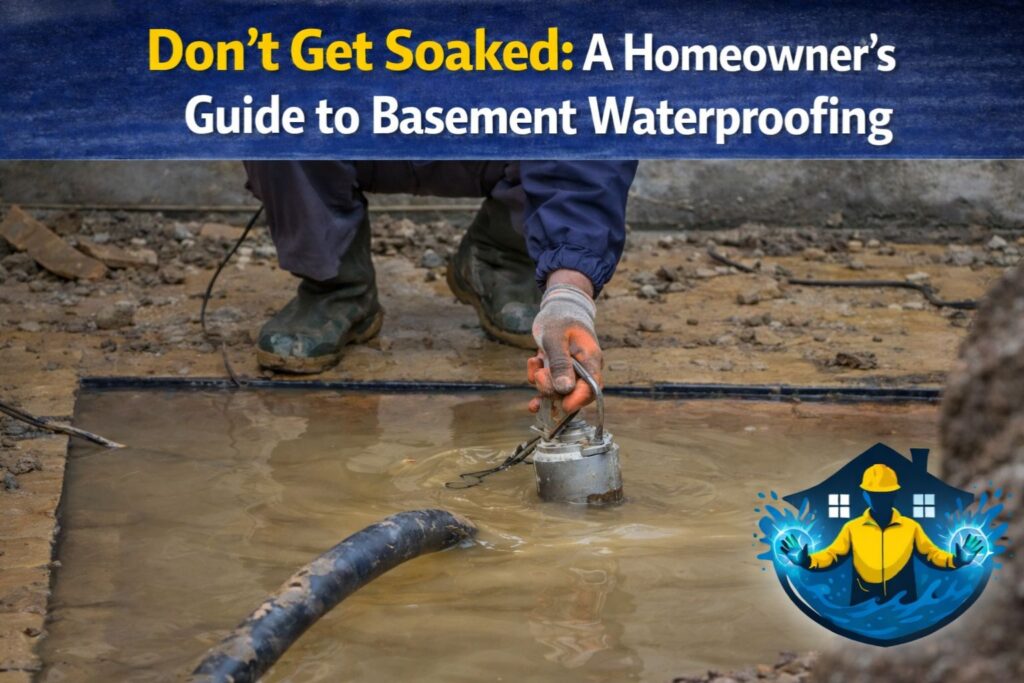
Remove the Water: Use a wet-dry vacuum for small amounts. For larger floods, a submersible pump is necessary. Caution: The Environmental Protection Agency advises removing water slowly (about 1 foot per 24 hours) from a deeply flooded basement to prevent wall collapse from outside pressure.
Remove Wet Materials: Immediately take out wet carpets, drywall, insulation, and furniture. Porous items can grow mold in just 24-48 hours.
- Dry the Area: Use fans and open windows to circulate air. Run a heavy-duty dehumidifier to pull moisture from the air and prevent mold. For more on this, see our page on dehumidification.
Proactive Prevention: Keeping Your Basement Dry for Good
Once the immediate crisis is over, focus on prevention to ensure your basement water problem doesn’t return.
Improve Exterior Grading: Ensure the ground slopes away from your foundation (at least one inch per foot for six feet) to direct rainwater away naturally.
Maintain Gutters and Downspouts: Clean gutters regularly and extend downspouts at least five to ten feet away from the house to prevent water from pooling at the foundation.
- Seal Cracks: Inspect and seal any visible cracks in your foundation walls and floor with hydraulic cement or epoxy injections to block easy entry points for water.
- Install a Sump Pump: A quality Sump Pump with a battery backup is your best defense against groundwater intrusion, especially during power outages.
- Control Humidity: Use a dehumidifier to keep humidity between 30-50%. For crawl spaces or unfinished walls, a vapor barrier can block ground moisture from entering the space.
For more comprehensive protection, consider professional Drainage Solutions custom to your home.
When to Call a Pro for Your Basement Water Problem
While some minor issues are DIY-friendly, many basement water problems require professional expertise to avoid severe long-term consequences like structural damage, health risks from mold and bacteria and other contaminants, and decreased home value.
Call a professional if you notice:
- Recurring Water: If your DIY fixes haven’t stopped the problem.
- Signs of Hydrostatic Pressure: Water seeping through the floor or at the base of the walls.
- Large or Structural Cracks: Any crack wider than 1/8 inch, or any horizontal or stair-step cracks.
- Bowing or Leaning Walls: This is a critical sign of foundation failure and requires immediate attention.
- Sewer Backups: This is a biohazard that requires professional cleanup.
- Widespread Mold or Persistent Odors: Indicates an ongoing moisture source that needs to be found and fixed.
- You’re Unsure: If you can’t find the source or the problem seems too big, it’s always safer to get an expert opinion.
My team at Premier Basement Waterproofing has provided honest, no-pressure solutions to homeowners throughout Monmouth County for years. We focus on educating you about your specific basement water problem and providing a fair, effective solution.
Don’t let a wet basement compromise your home and peace of mind.
Ready to get a permanent solution? Schedule an inspection for a free, no-pressure estimate today.
