
Why Finding the Right Basement Waterproofing Contractor Matters
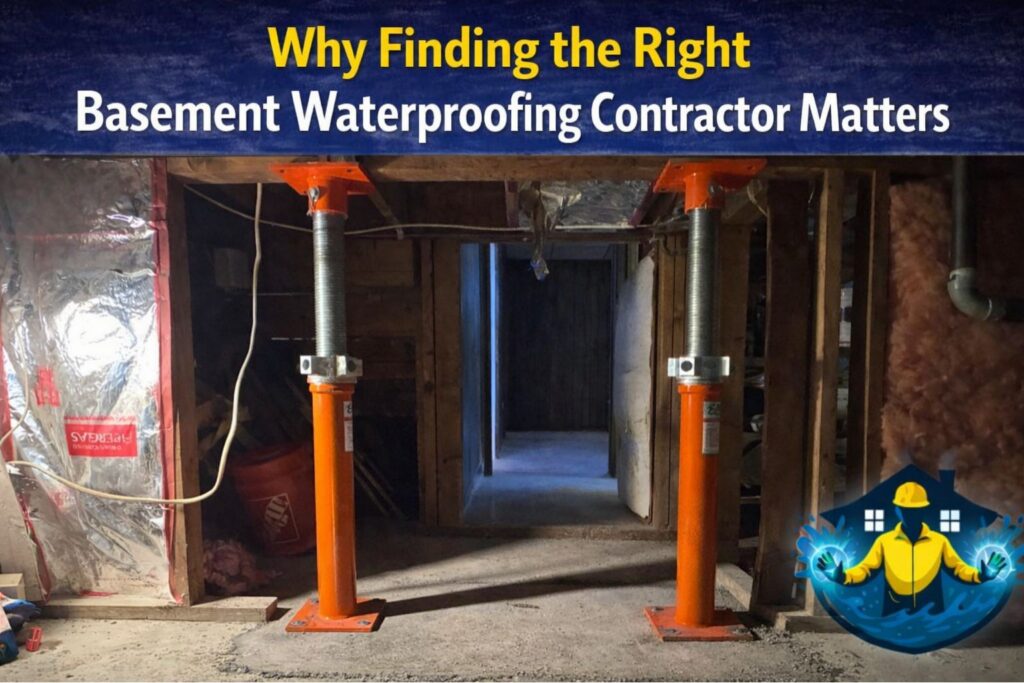
Why does choosing the right basement waterproofing contractor matter so much? Because hidden moisture can quietly damage your foundation, air quality, and home value. Before water problems get worse, work with an experienced team like Premier Basement Waterproofing to diagnose the real cause and protect your basement the right way.
Top 5 Factors to Consider:
- Local Experience – Choose contractors familiar with your area’s soil conditions and water table
- Licensing & Insurance – Verify credentials through the BBB and state licensing boards (you can also review basic concepts of contractor licensing and consumer protection here)
- Transparent Pricing – Look for detailed estimates without high-pressure sales tactics
- Warranty Coverage – Seek lifetime, transferable warranties on both products and labor
- Proven Methods – Ensure they offer comprehensive solutions like interior drainage, sump pumps, and exterior waterproofing
Water damage is one of the most expensive and stressful issues a homeowner can face. What starts as a small trickle or musty smell can quickly escalate into structural damage, mold growth, and thousands of dollars in repairs.
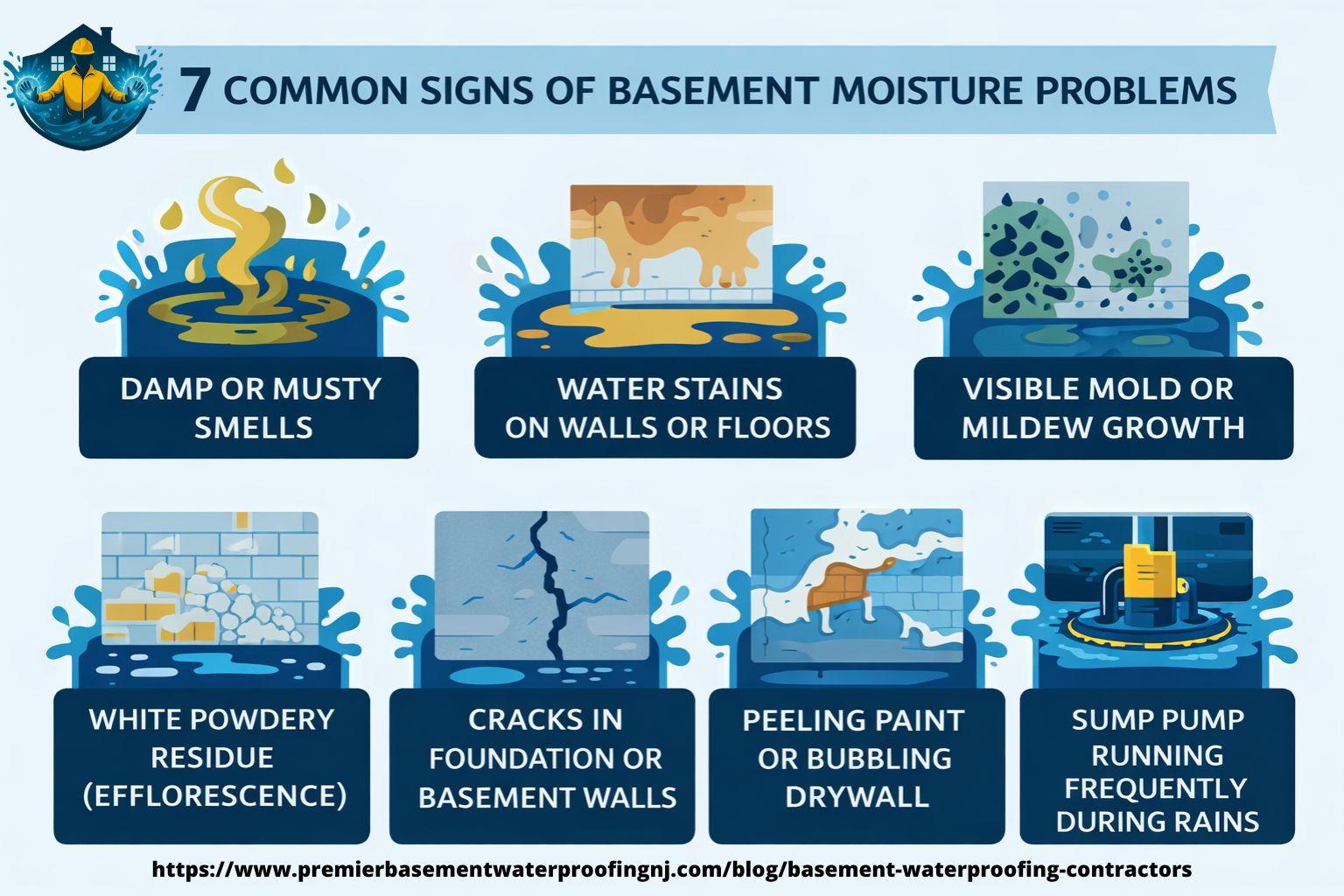
Many homeowners live in wet basements unnecessarily. They deal with damp walls, puddles after heavy rain, and that persistent musty odor that never quite goes away. Beyond the immediate discomfort, basement moisture compromises your home’s structural integrity, creates health hazards through mold and mildew, and significantly reduces your property value.
The signs are often subtle at first: water stains on walls, efflorescence (that white powdery residue), peeling paint, or a sump pump that runs constantly during storms. But ignore these warning signs, and what may be a minor issue today can turn into a disaster tomorrow.
Choosing the right contractor makes all the difference. The basement waterproofing industry has its share of high-pressure sales tactics, inflated pricing, and one-size-fits-all solutions that don’t address the root cause of your problem. You need someone who will diagnose the issue accurately, explain your options clearly, and stand behind their work with a real warranty.
I’m Nelson Manso, owner of Premier Basement Waterproofing, and I’ve spent 29 years helping homeowners in Monmouth County solve their basement water intrusion and foundation challenges. Unlike many basement waterproofing contractors who rely on commissioned salespeople and aggressive tactics, I personally assess every property and work directly with homeowners to develop customized, fairly-priced solutions.
Understanding Basement Waterproofing
This section will cover the essential knowledge homeowners need about waterproofing methods, their components, and the benefits.
Common Waterproofing Methods & Costs
When you notice signs of moisture in your basement—whether it’s a persistent musty smell in Freehold, visible mold in Rumson, or cracks in your foundation walls in Manalapan—it’s time to consider waterproofing. But what exactly does that mean, and what are your options? As an expert in this field, I can tell you that understanding the different methods is key to choosing the right solution for your Monmouth County home.
First, let’s clarify a common point of confusion: the difference between damp proofing and waterproofing. While often used interchangeably, they serve distinct purposes. Damp proofing primarily protects against soil moisture, acting as a barrier to keep general ground dampness from seeping into your foundation. It is often applied to new construction as a preventative measure against moisture vapor. Waterproofing, on the other hand, provides a much more robust defense. It protects against both soil moisture and liquid water, offering superior protection, especially in environments prone to heavy rains or high water tables, which we certainly experience here in New Jersey. Waterproofing systems are designed to withstand hydrostatic pressure—the force of water pushing against your foundation. For a neutral overview of basement waterproofing principles, you can also consult Basement Waterproofing 101: A Comprehensive Guide.
There are two primary approaches to basement waterproofing: interior and exterior. Each has its own set of techniques, benefits, and considerations.
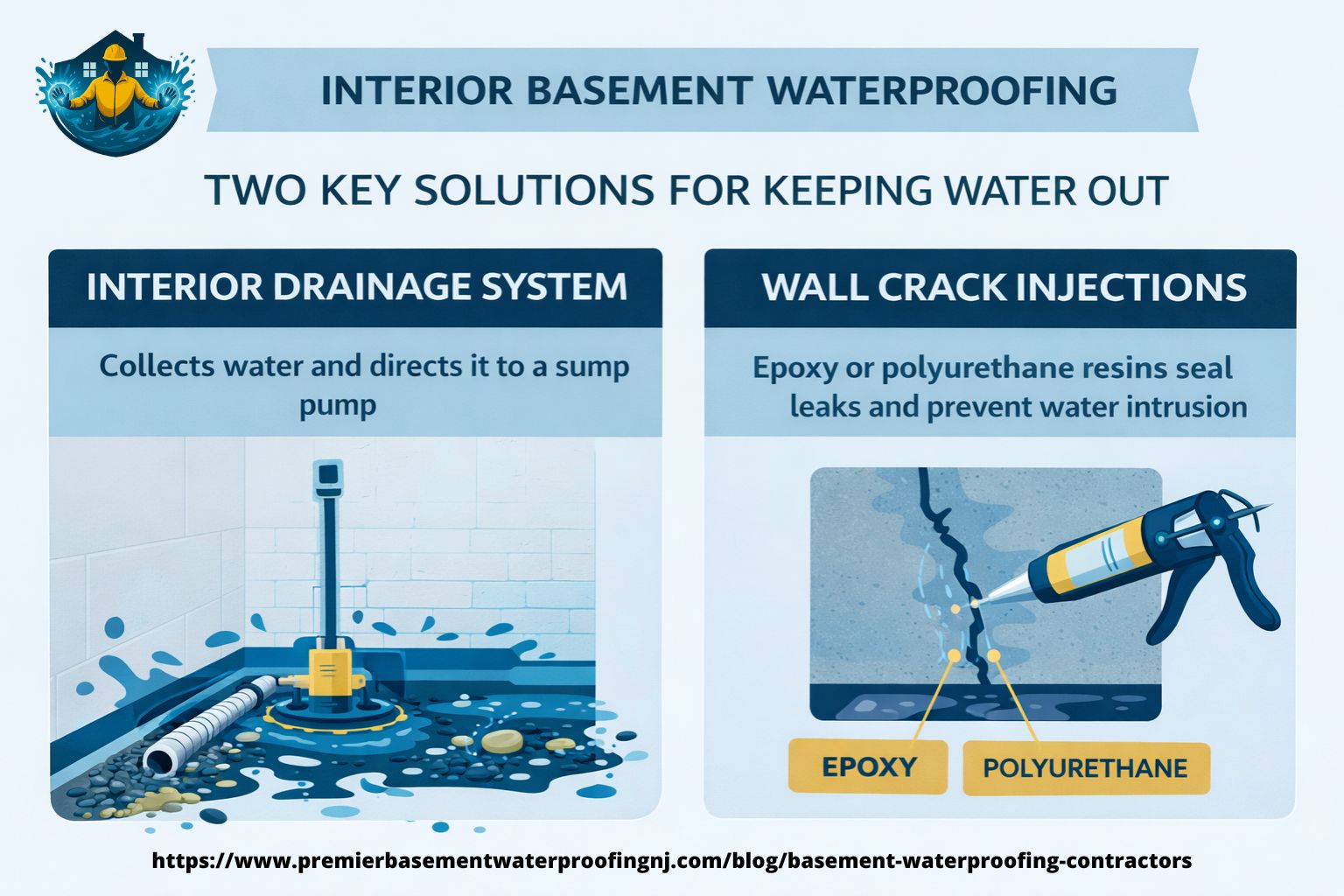
Interior Waterproofing: This method addresses water once it has entered your basement or is threatening to come through the walls or floor. It is generally less invasive and often more cost-effective than exterior solutions because it does not require extensive excavation around your home’s foundation. Common interior waterproofing methods include:
- Interior Drainage Systems: These are arguably the most effective interior solutions. They involve installing a perforated drain pipe along the interior perimeter of your basement, typically beneath the concrete slab and alongside the footing. This system collects any water that seeps through the walls or up from under the floor and directs it to a sump pump, which then expels it safely away from your home. This method effectively drains the area and is often combined with dimpled plastic sheeting on the walls to channel water down to the drain. For more details on how these systems work, you can explore our more info about Interior Waterproofing Systems.
- Wall Crack Injections: For individual cracks in concrete walls, specialized epoxy or polyurethane resins can be injected to seal them and prevent water from coming through. This is a targeted solution for specific entry points.
- Interior Sealants and Coatings: While appealing due to their lower cost and ease of application, interior membranes or coatings often serve as temporary fixes. They might appear to stop the water, but the moisture is still present behind the coating, eventually deteriorating the material or finding another pathway into your basement. I always advise homeowners to consider these as symptom reducers, not permanent solutions for significant water intrusion.
Exterior Waterproofing: This method focuses on stopping water before it even has a chance to enter your foundation. It is considered the most comprehensive and effective water control approach. However, it is also typically more expensive due to the significant labor involved in excavating around your entire foundation. Exterior waterproofing often includes:
- Exterior Membranes: These are waterproof coatings or sheet membranes applied to the exterior of your foundation walls.
- Drainage Systems (Drain Tile/French Drains): A perforated pipe is installed around the exterior perimeter of the footing, buried in gravel, and covered with soil. This system collects groundwater and directs it away from the foundation. For more information on various drainage solutions, visit our page for more info about Drainage Solutions.
- Improved Grading: Ensuring that the ground around your home slopes away from the foundation can significantly reduce the amount of water that reaches your basement walls. This is often a crucial first step before considering more complex drainage systems.
- Downspout Extensions: Directing rainwater from your gutters several feet away from the foundation prevents it from pooling near your home and saturating the soil.
Here is a quick comparison of interior versus exterior waterproofing:
| Method | Cost (relative) | Invasiveness | Effectiveness | Best Use Case |
|---|---|---|---|---|
| Interior Waterproofing | $$ | Low to Moderate | High for managing seepage | Existing homes with recurring leaks, finished basements, limited exterior access |
| Exterior Waterproofing | $$$$ | High (excavation) | Very high when done properly | Severe water issues, new construction, foundations with major exterior defects |
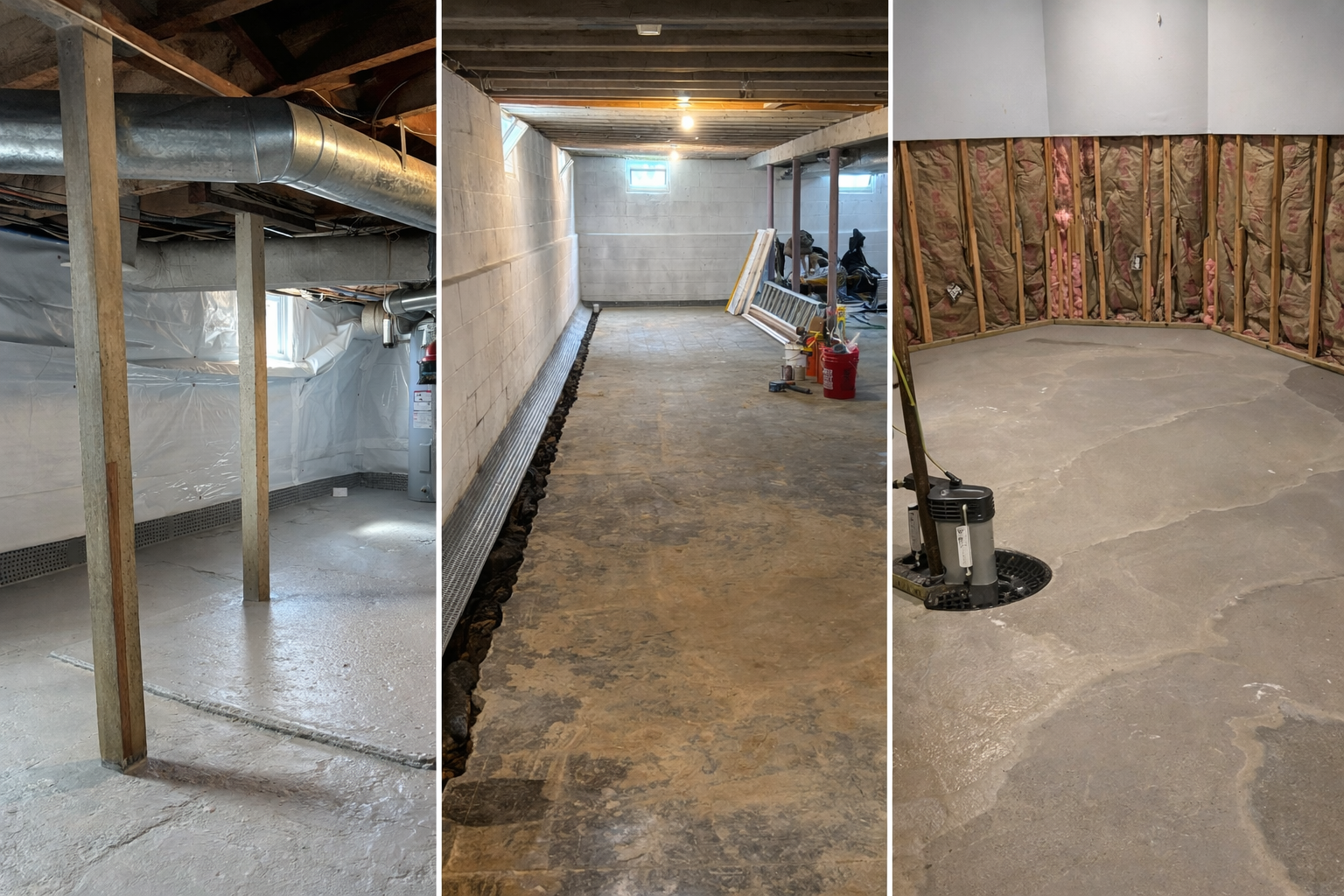
Whether you need a basement waterproofing contractor for a small seepage issue or a full system upgrade, basement size, foundation condition, soil type, and the local water table all shape the scope and cost.
A professional inspection is the best next step to identify the right fix and protect your basement contact us.
